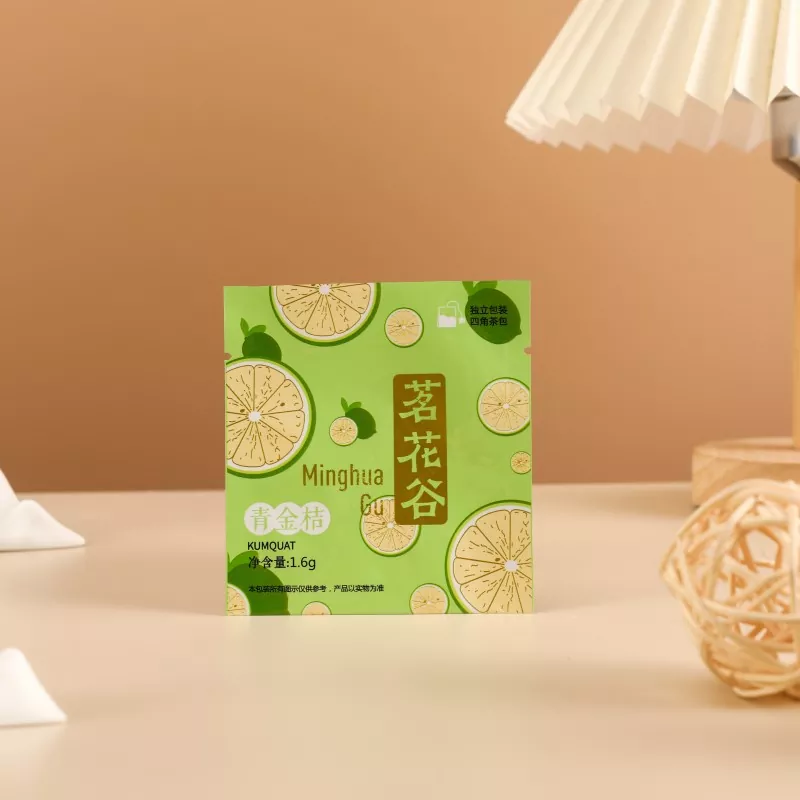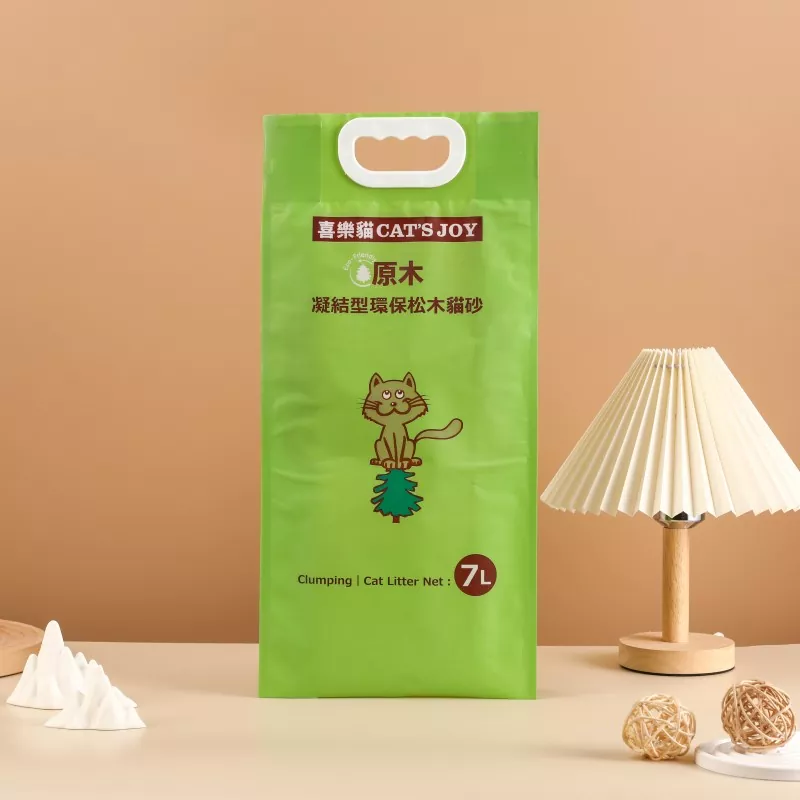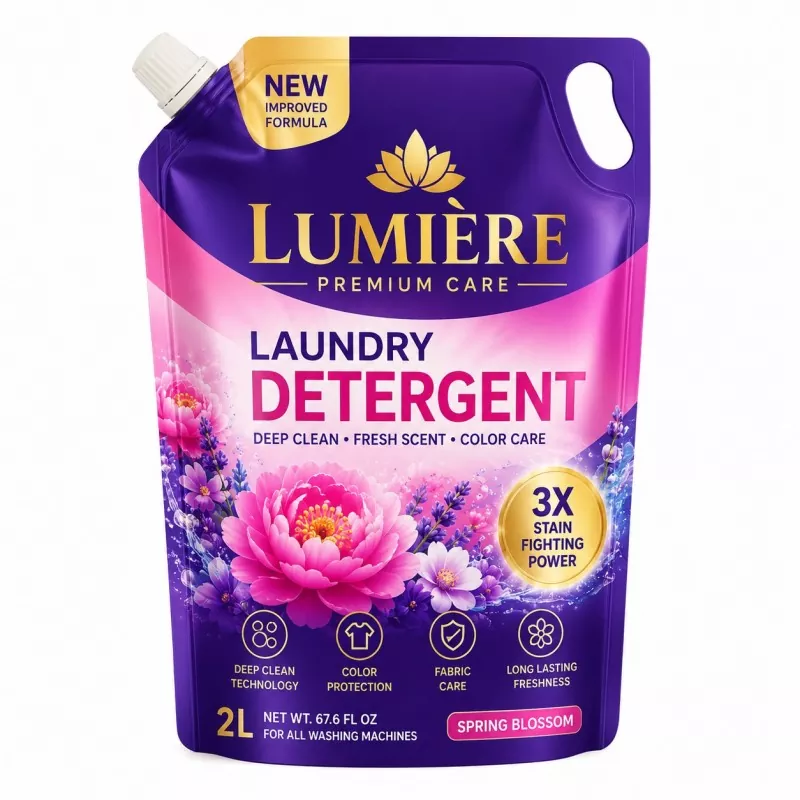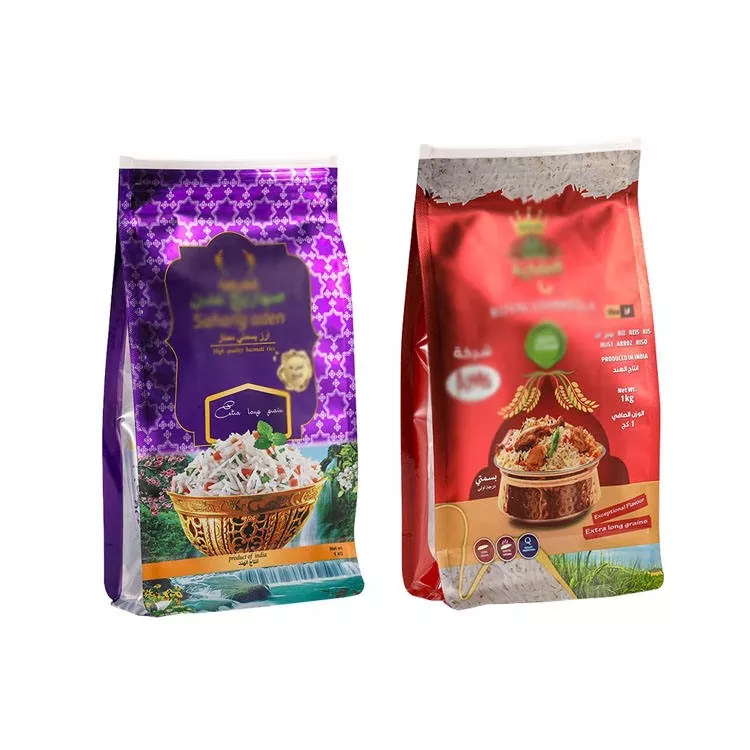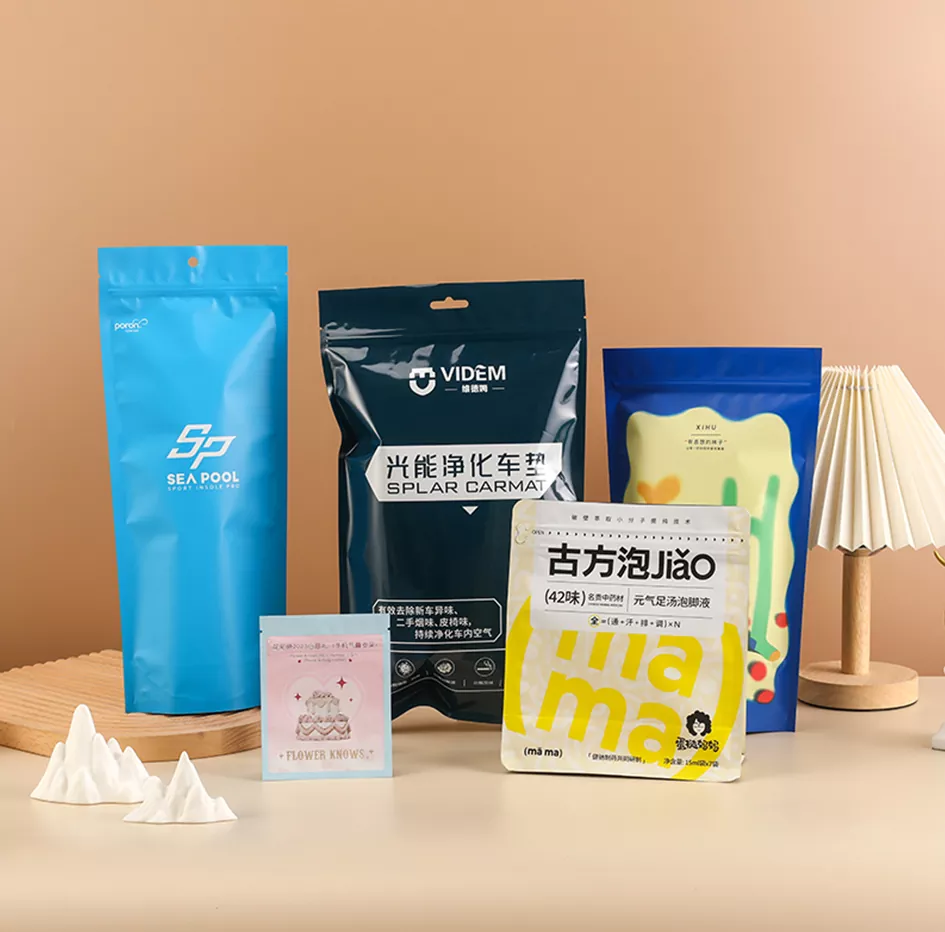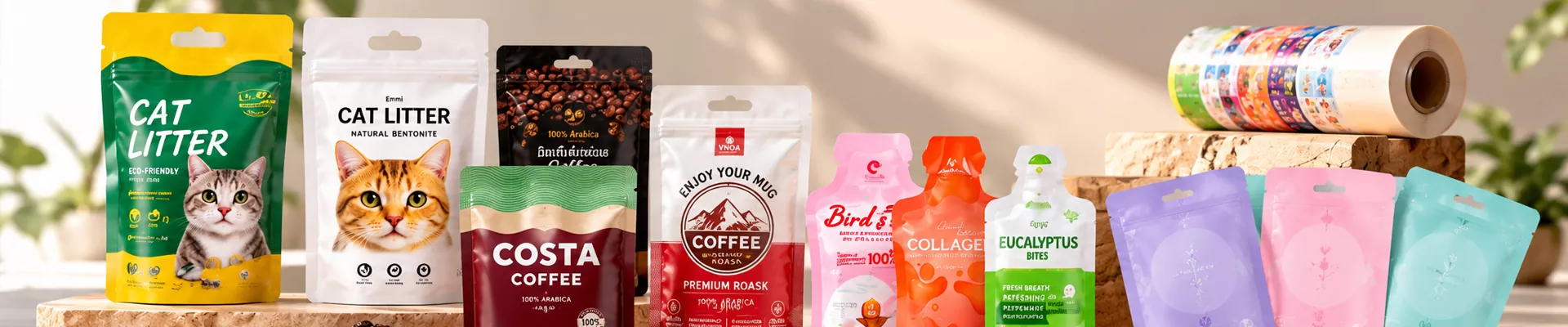
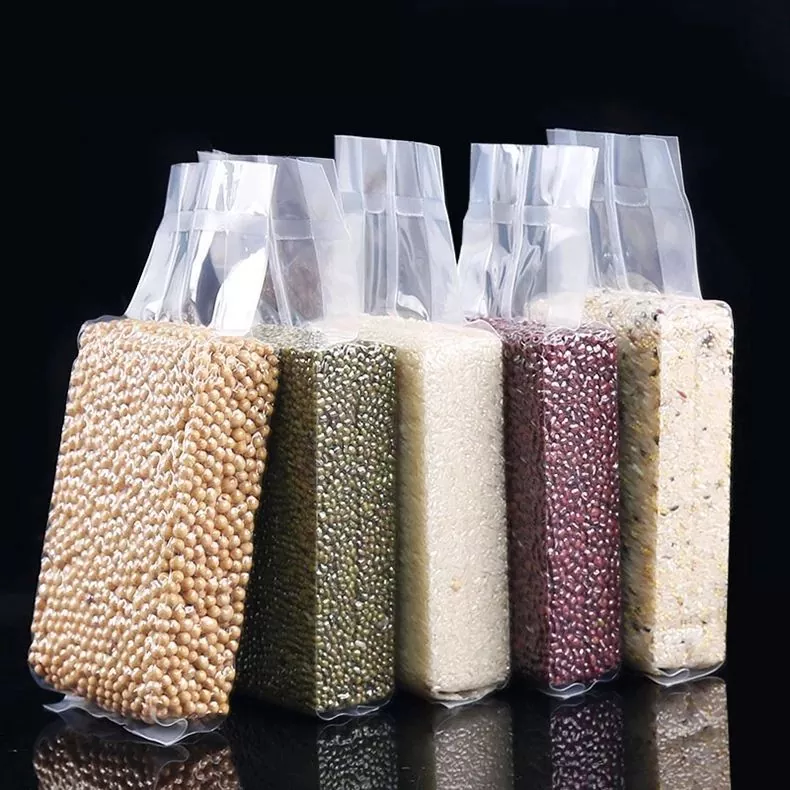
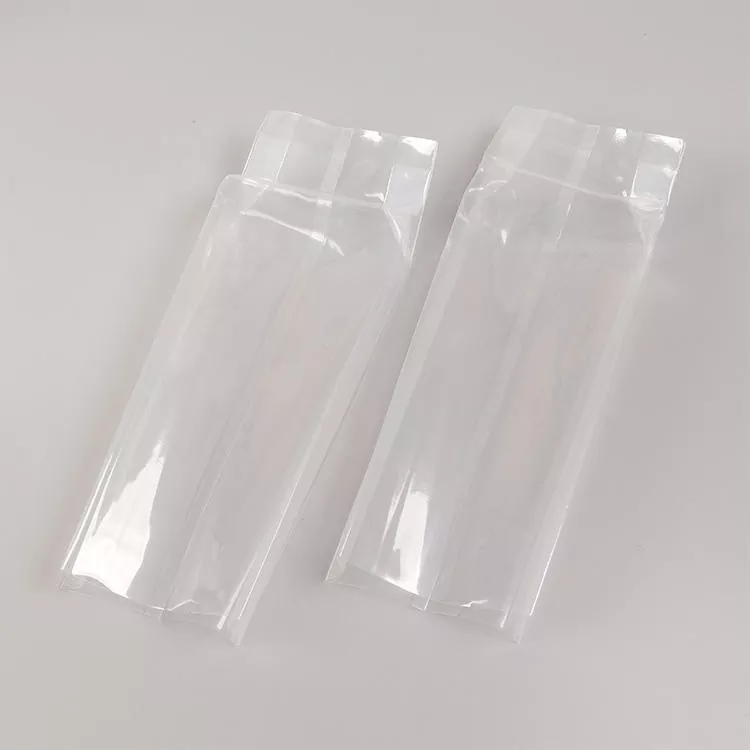
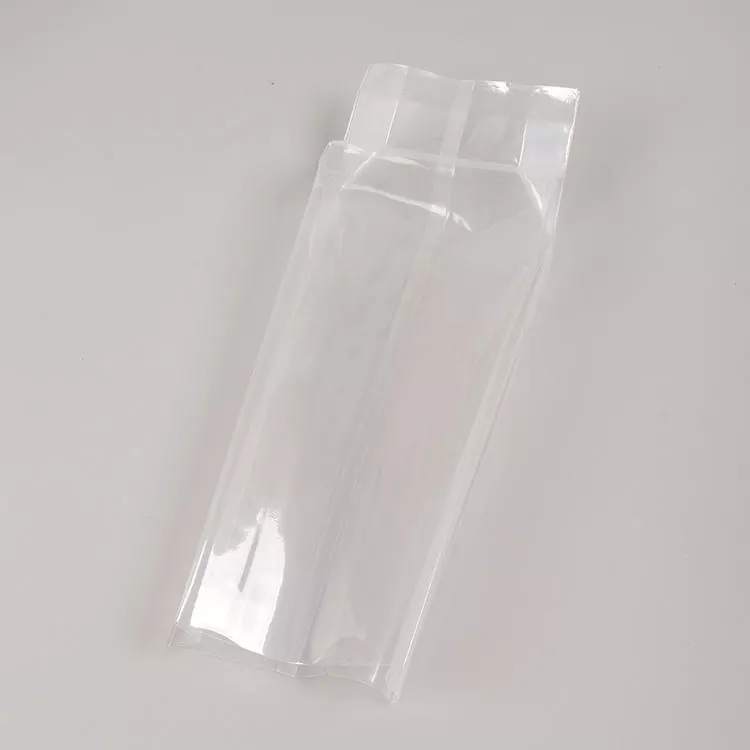
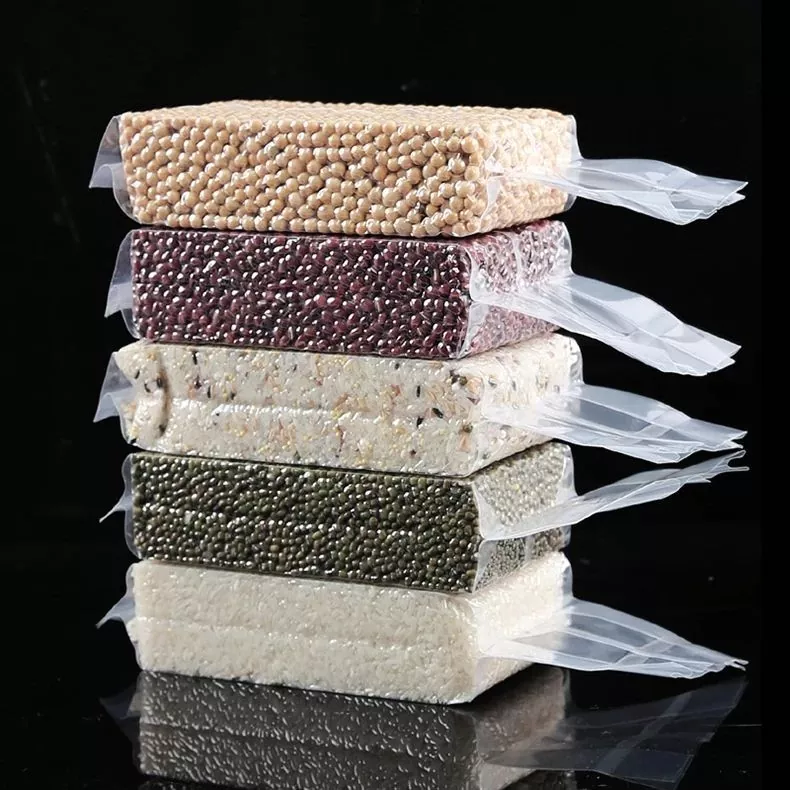
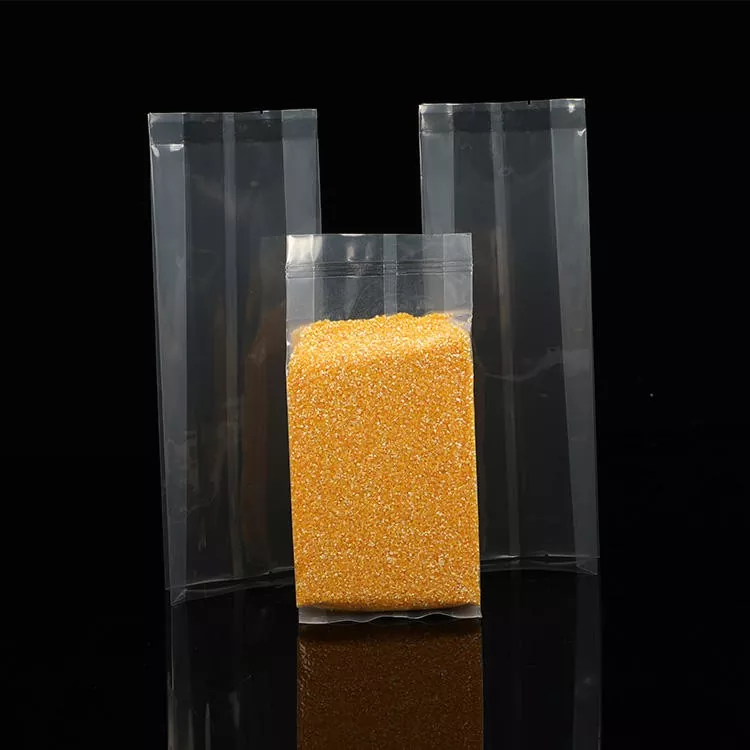
Wanguang offers customized flexible packaging solutions, including transparent PA/PE Vacuum Bag options. The clear film allows buyers and end users to view the packaged contents, making it practical for food processing, retail preparation, and commercial storage applications.
The bag dimensions, film thickness, and sealing area can be developed according to the product's shape, weight, and packaging equipment.
| Industrial Use | Agriculture | Feature | Durable |
| Bag Type | Vacuum Bag | Plastic Type | PE |
| Material Structure | PA+PE | Sealing & Handle | Zipper Top |
| Surface Handling | Gravure Printing | Custom Order | Accept |
| Place of Origin | Zhejiang, China | Brand Name | wanguang |
| Size | Accept Customized | Material | Food Grade Material |
| Logo | Accept Customized Logo | Printing | Gravure Printing |
| Application | Food Packaging | ||
| Selling Units | Single item | Single package size | 10X10X10 cm |
| Single gross weight | 0.5 kg | ||
Vacuum packaging requirements vary depending on the product's moisture content, surface characteristics, and storage conditions.
Suitable for evaluating as packaging for fresh meat cuts, poultry portions, and processed meat products. Film strength and seal integrity should be considered when packaging products with bones or irregular edges.
The flexible format can accommodate fish fillets, shrimp, and selected seafood portions. Material selection should account for sharp edges, liquid content, and the intended storage temperature.
Transparent vacuum pouches can be used for portioned cheese and other suitable dairy products. The packaging specification should reflect the product's fat content, moisture characteristics, and storage requirements.
Certain dry foods, nuts, and food ingredients can also be packed in vacuum bags when reduced air exposure is part of the packaging plan. The required barrier level depends on the product and its expected shelf-life conditions.
Food processors, central kitchens, and food distributors can evaluate custom-sized bags for portion control and standardized packaging operations.
| PRODUCT NAME | Vacuum Bags |
| MATERIAL STRUCTURE | PA+PE |
| 1DIMENSION OR SIZE | 250g, 500g,1000g,2000g,2500g |
| Ink Type | Eco-friendly Food Grade Soy Ink |
| Size & Thickness | Customized |
| PRINTING | Gravure printing |
| Feature | 1). Safety Food Grade material & Perfect Printing 2). Great to prevent leakage, excellent Moiseture-Proof 3). Strong sealing Bottom & Durable Ziplock |
| APPLICATION | Cat food, dog food, cat litter, fish food, pet food, etc. |
| SAMPLE | FREE |
| Lead Time | 12-20 Days |
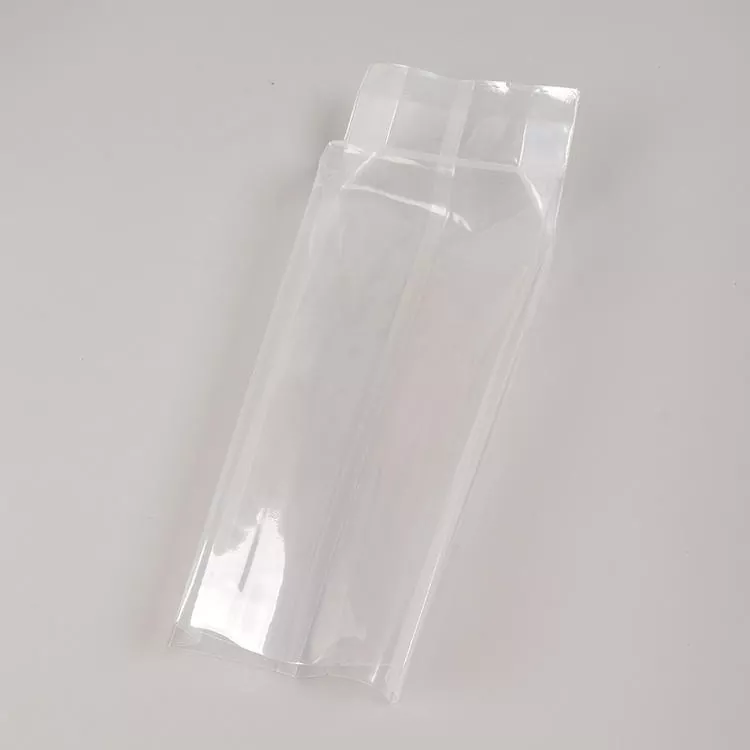
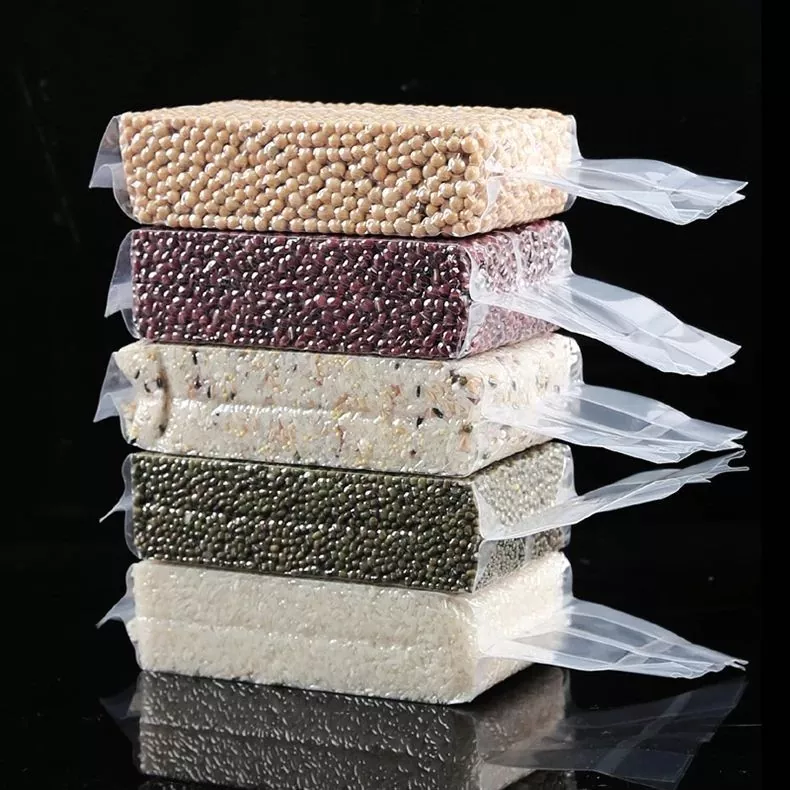
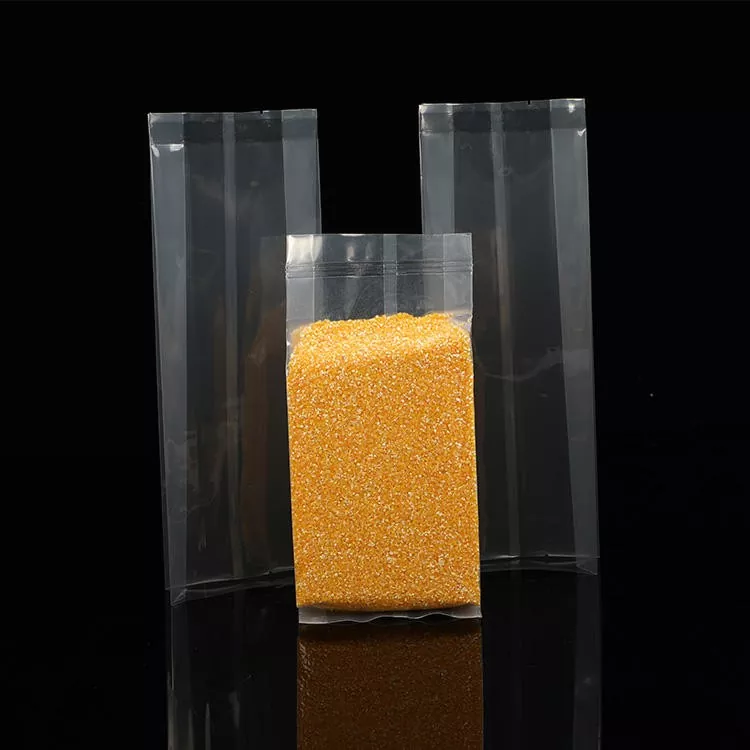
The performance of a PA/PE Vacuum Bag depends on how the material layers are selected and combined.
Polyamide (PA), commonly known as nylon, contributes toughness and resistance to handling damage. It also provides an oxygen barrier that can help reduce oxygen transmission through the packaging material.
Polyethylene (PE) is commonly used as the heat-seal layer. It supports the formation of sealed edges when the selected material is compatible with the sealing conditions.
The clear appearance makes product identification easier without opening the package. It can also support visual checks during packing and distribution.
Wanguang can discuss customized width, length, thickness, and bag format according to the product dimensions and vacuum packaging machine. Final specifications should be confirmed through sample trials.
Wenzhou Wanguang Packaging Co., Ltd. has printing, lamination, and bag-making equipment. Its production capabilities support the development of flexible packaging structures for different customer requirements.
Vacuum packaging performance should be evaluated using the finished bag rather than relying on film descriptions alone. The following checks can be included in a project-specific quality plan.
Checks whether the sealed edges have sufficient bonding strength for the intended package and handling conditions.
Finished samples can be evaluated for air leakage around the seals and other potential weak points. The test method should be selected according to the bag construction and application.
These evaluations help assess how the film responds to handling, product edges, and mechanical stress during packing and distribution.
Samples should be tested on the customer's actual vacuum packaging equipment. This helps confirm bag opening, evacuation, sealing behavior, and suitability for the intended product.
If the packaged product will be refrigerated, frozen, or exposed to another defined temperature range, the material and finished seals should be evaluated under those conditions.
For food applications, the inner contact layer and complete material structure should be reviewed against the applicable requirements of the destination market. Supporting documents should correspond to the actual supplied structure.
Specific acceptance standards and test results should be agreed before mass production.
It generally combines polyamide (PA) and polyethylene (PE). PA contributes toughness and oxygen barrier properties, while PE commonly serves as the heat-seal layer. The exact structure depends on the product specification.
Yes. Transparent material is available for applications where visual product identification is important. The final clarity depends on the selected film and manufacturing process.
Compatibility depends on the bag construction, dimensions, and sealing requirements of the machine. Buyers should test samples using their own equipment before placing a bulk order.
Yes. Width, length, thickness, and other specifications can be discussed according to the packaged product and production requirements.
They may be suitable for selected frozen food applications, provided the material and seals are evaluated at the intended storage temperature. Freezer suitability should be confirmed through testing.
They can be evaluated for such products, but puncture resistance is an important consideration. The material structure and thickness may need adjustment, followed by practical packaging trials.
Wanguang provides pre-sales specification discussions, flexible packaging design, printing, lamination, and bag conversion. The company also follows up on production progress and gathers customer feedback after delivery.
Address
Xin'ou Micro Park, Lingxi Town, Cangnan County, Wenzhou City, Zhejiang Province, China
Tel
Get packing insights or pricing: Leave your email below, and we’ll reach out promptly (within 24 hrs).