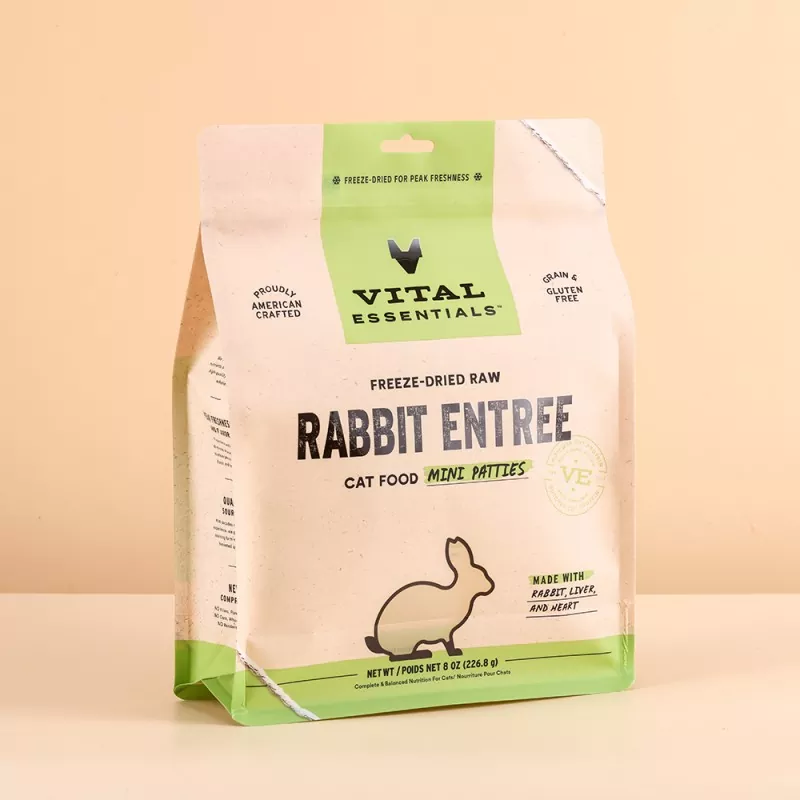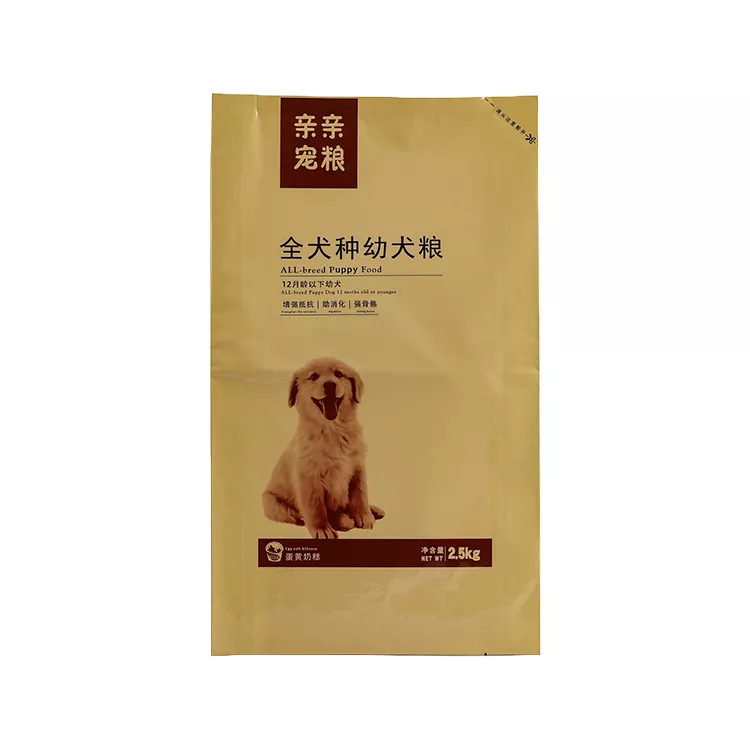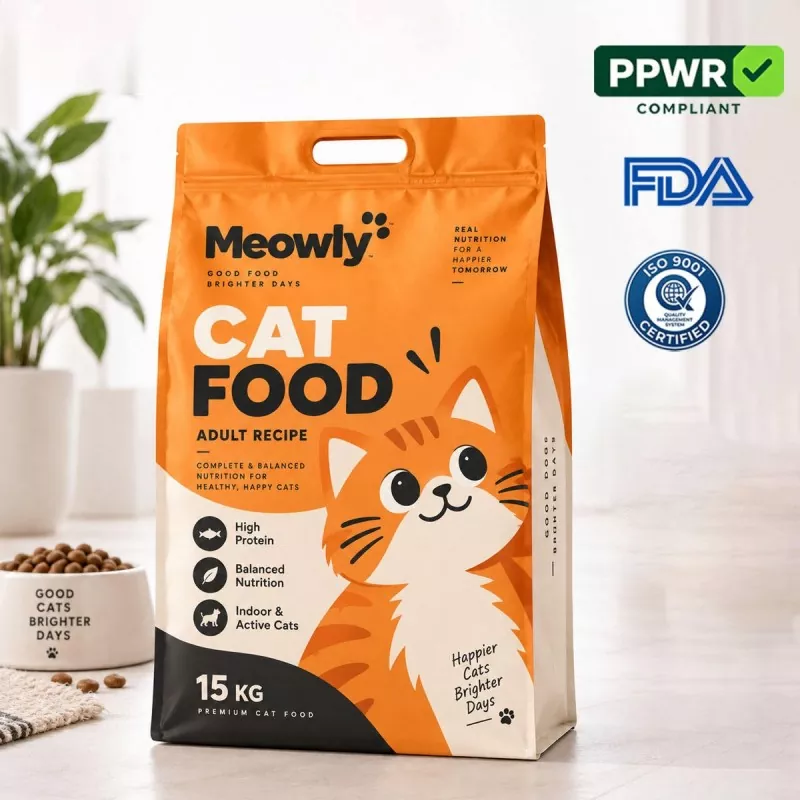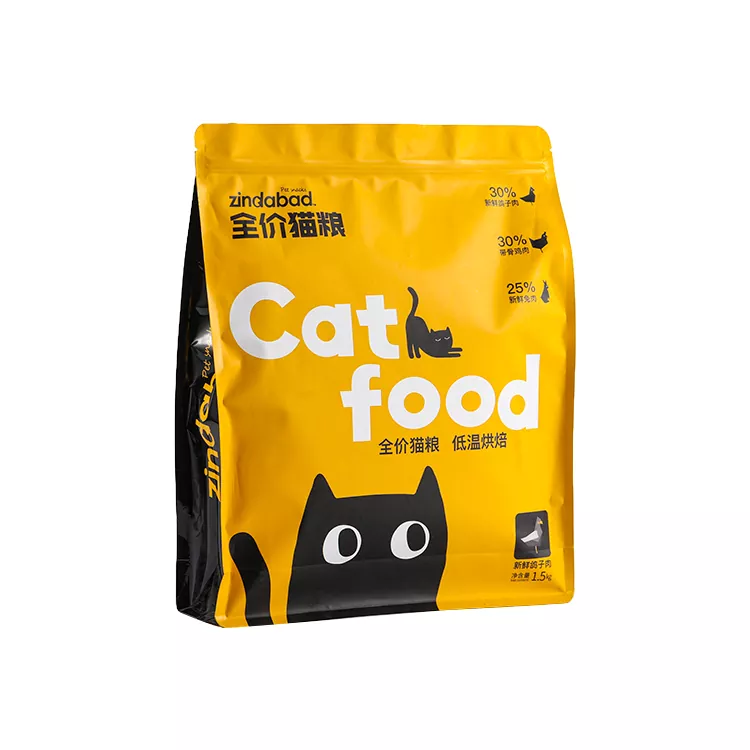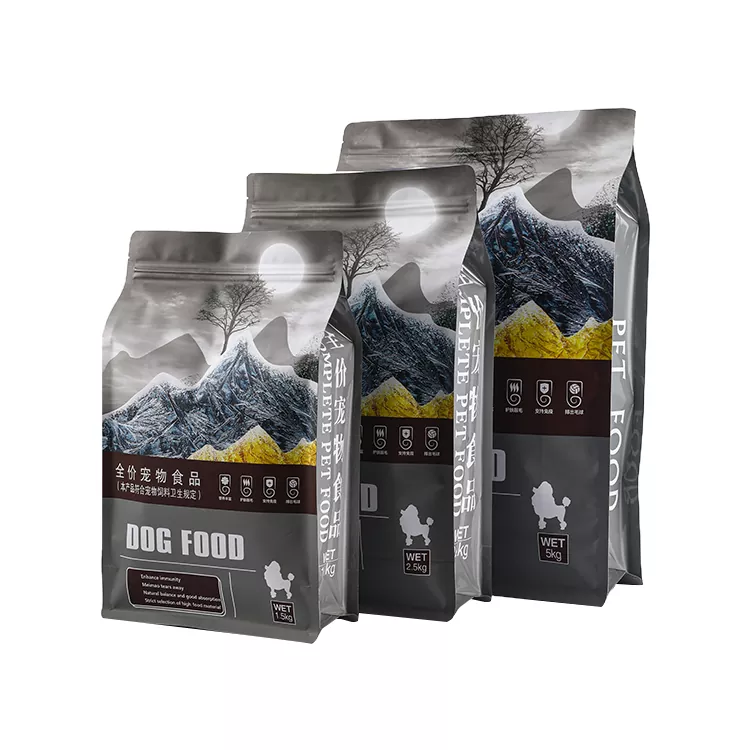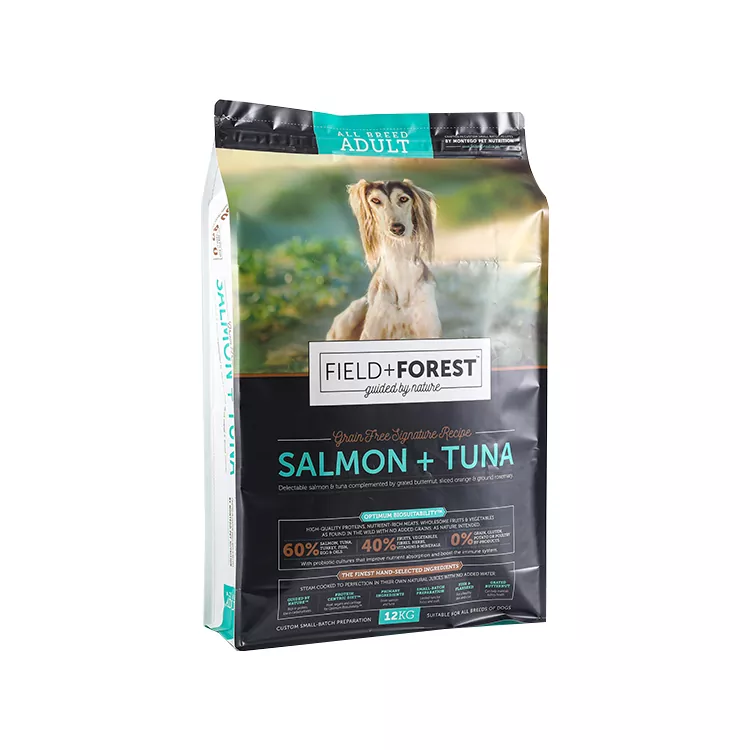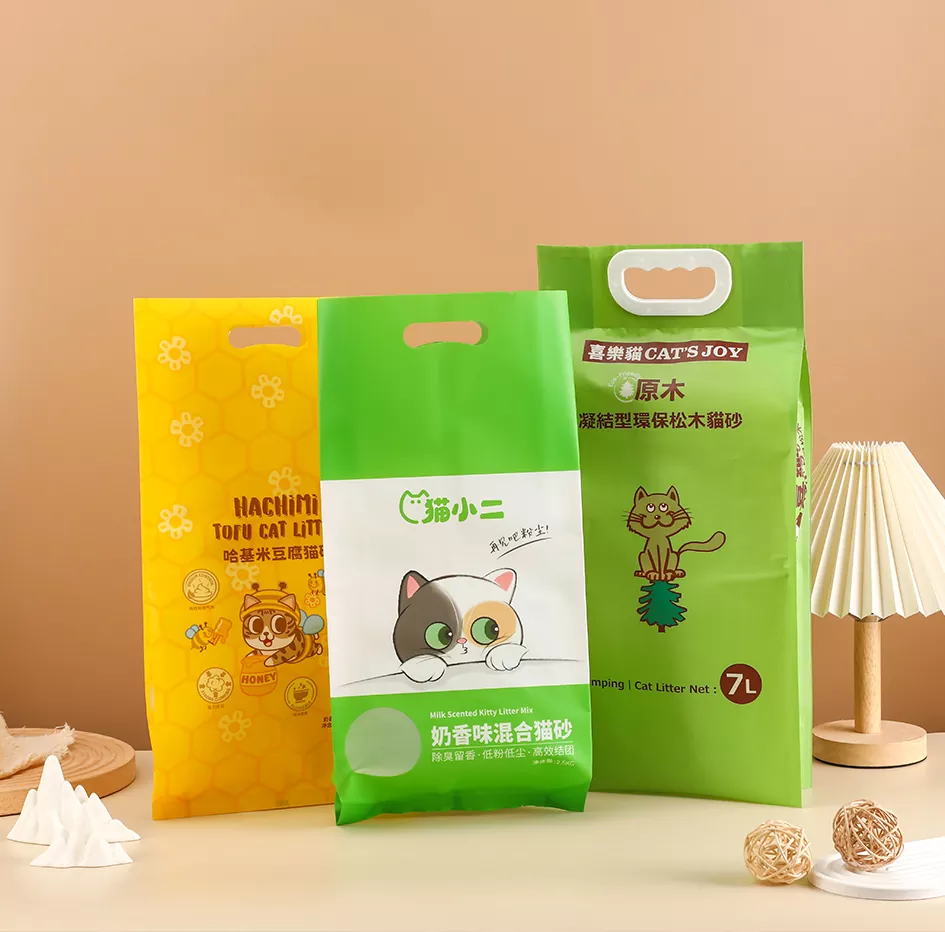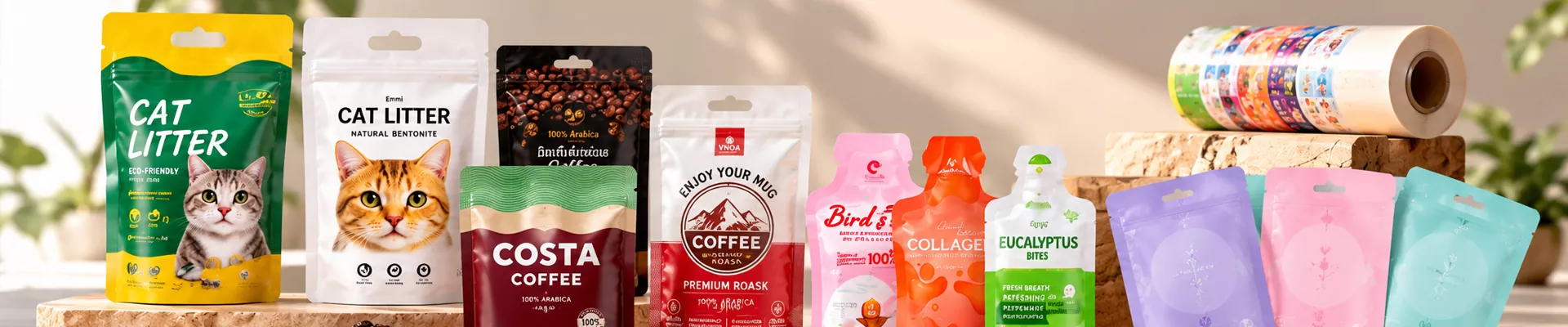
Specifying the right Pet Food Bag starts with the barrier, the fill weight, the closure, and the shelf-life target. A bag that looks correct on a digital proof can still fail in a warehouse, on a pallet, or on a retail shelf if the film structure, seal window, and print process do not match the application. Wanguang builds pet food packaging around those variables, so buyers can move from concept to production with a structure that protects kibble, treats, freeze-dried food, wet food, and supplements without over-specifying cost or under-specifying performance.
This page covers the parameters that matter in a commercial Pet Food Bag program: material structures, thickness ranges, bag formats, print capabilities, food-contact compliance, testing, MOQ, lead times, and the questions buyers ask most often before placing an order. The details below are written for brand owners, packaging engineers, procurement teams, and co-packers who need practical specifications rather than generic packaging claims. This series includes the Dog Food Bag series and the Cat Food Bag series, among others.
Pet food is not a single category. Dry kibble is sensitive to moisture pickup and oxidation of fats. Treats may need aroma retention and grease resistance. Freeze-dried food needs very low moisture vapor transmission. Wet food and semi-moist products place different demands on seal integrity and flavor carry-through. A Pet Food Bag for one of these applications may use a high-barrier aluminum foil structure, while another may perform well in a metallized or clear structure with an appropriate PE sealant.
Wanguang evaluates four performance areas before recommending a laminate: oxygen transmission rate, water vapor transmission rate, seal strength, and puncture resistance. The target values depend on the fill weight, distribution channel, and expected shelf life. For long shelf life and sensitive fats, a PET/AL/PE structure is often the starting point. For retail visibility and moderate barrier, PET/VMPET/PE or PET/NY/PE can be suitable. For recyclable mono-material programs, mono-PE structures can be engineered with high seal integrity and appropriate stiffness, but the barrier and process window must be reviewed against the product's real shelf-life test.
Wanguang structures orders around the print method and the bag format. Digital short runs can start from 1,000 pieces and are useful for new SKUs, limited flavors, and test markets. Rotogravure custom print typically starts at 5,000 to 10,000 pieces per SKU, depending on the film structure, bag size, and zipper type. Specialty formats such as spout pouches, slider zippers, and large flat-bottom bags may require a higher MOQ because of tooling and material setup.
The standard timeline is 12 to 18 working days after artwork and cylinder approval, with 20 to 25 working days in peak periods. New cylinder engraving, special zipper sourcing, and regulatory testing add time. Buyers should allow time for a physical proof, a fill trial, and a shelf-life review before committing to a full run. A clear approval sequence prevents delays: brief, dieline, artwork, proof, cylinder or digital setup, production, inspection, and shipment.