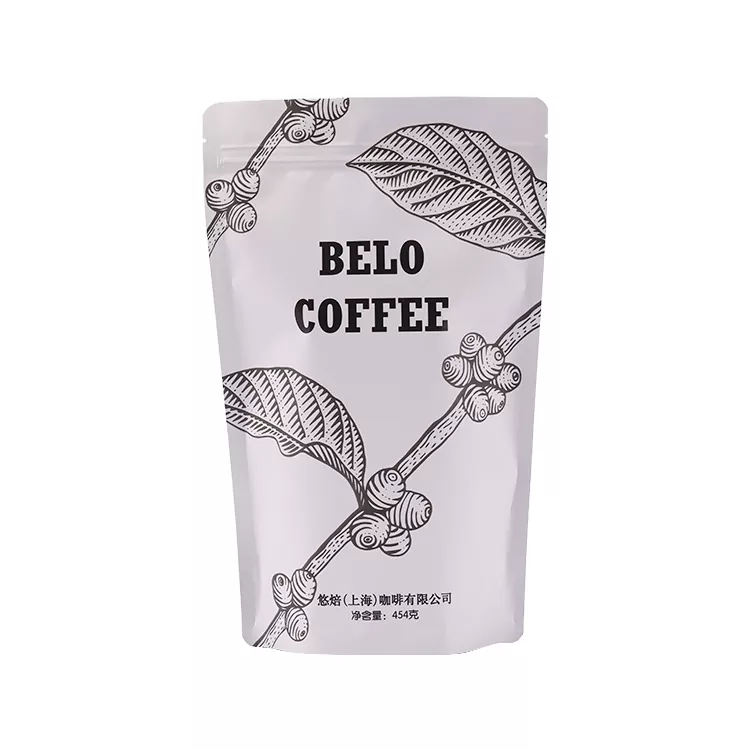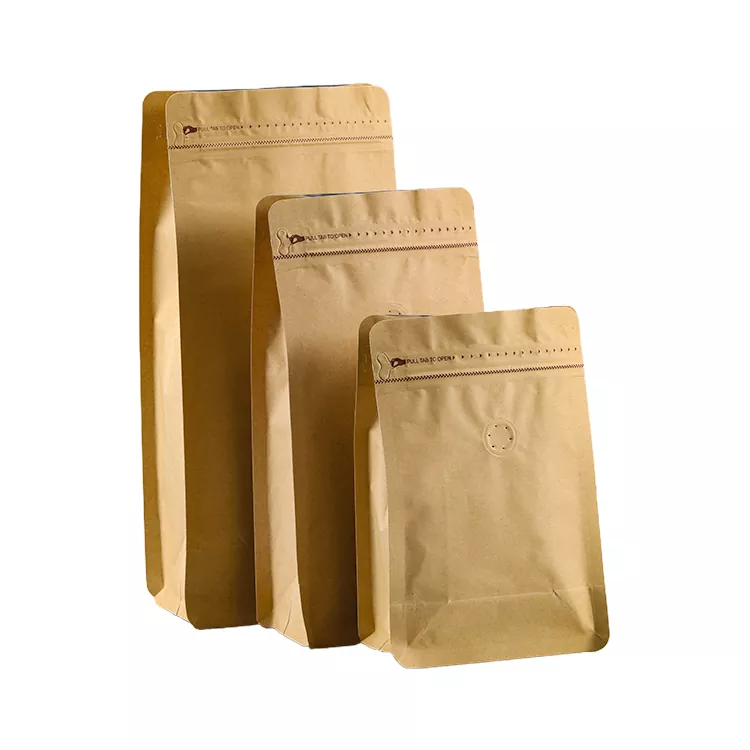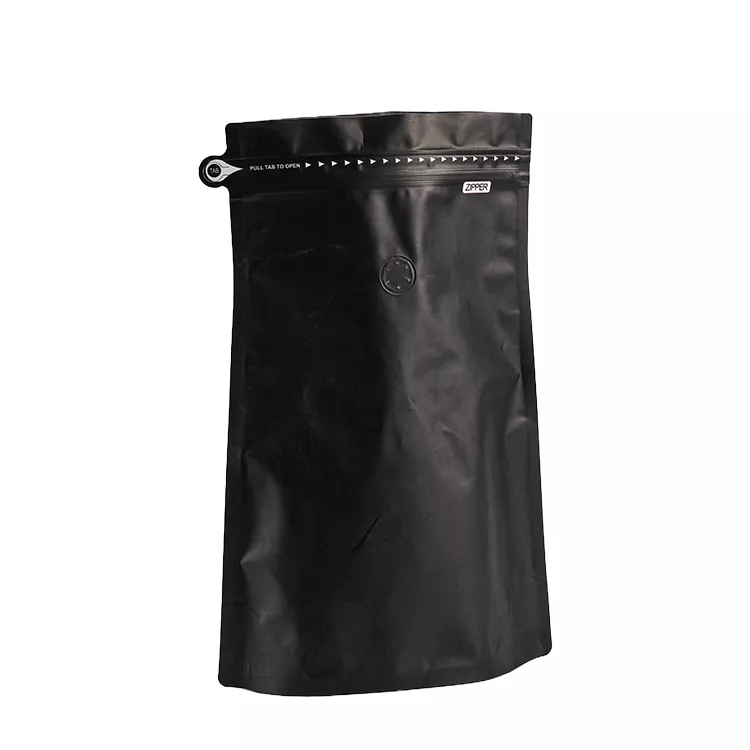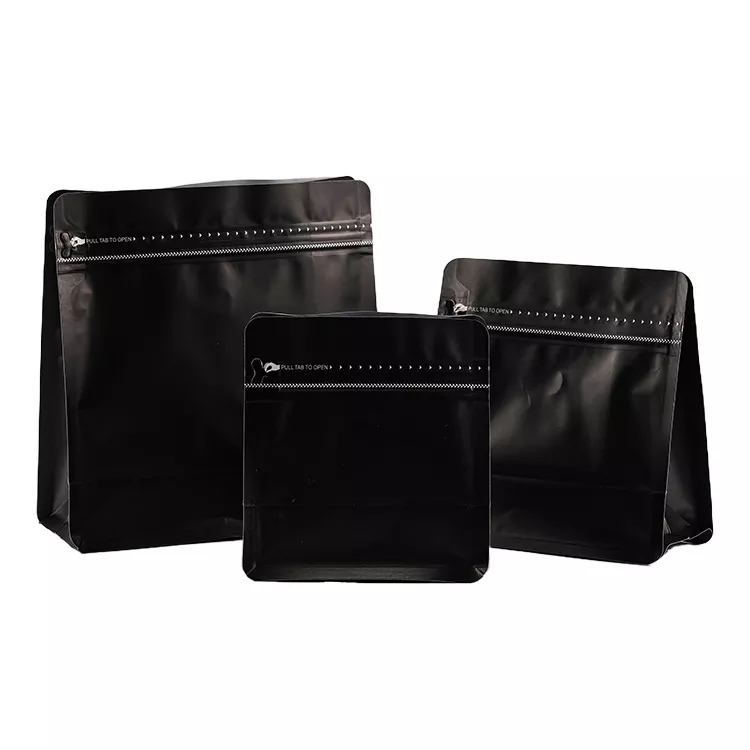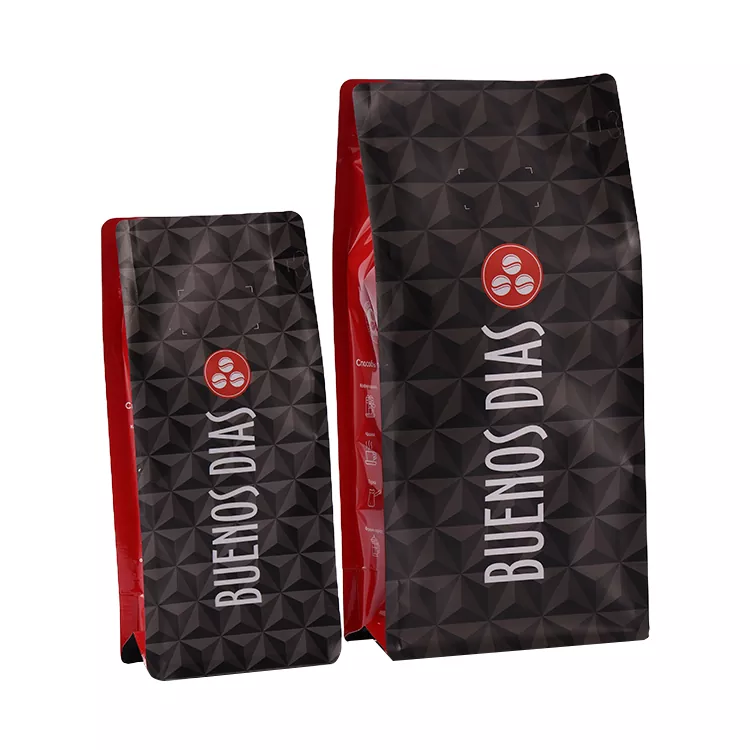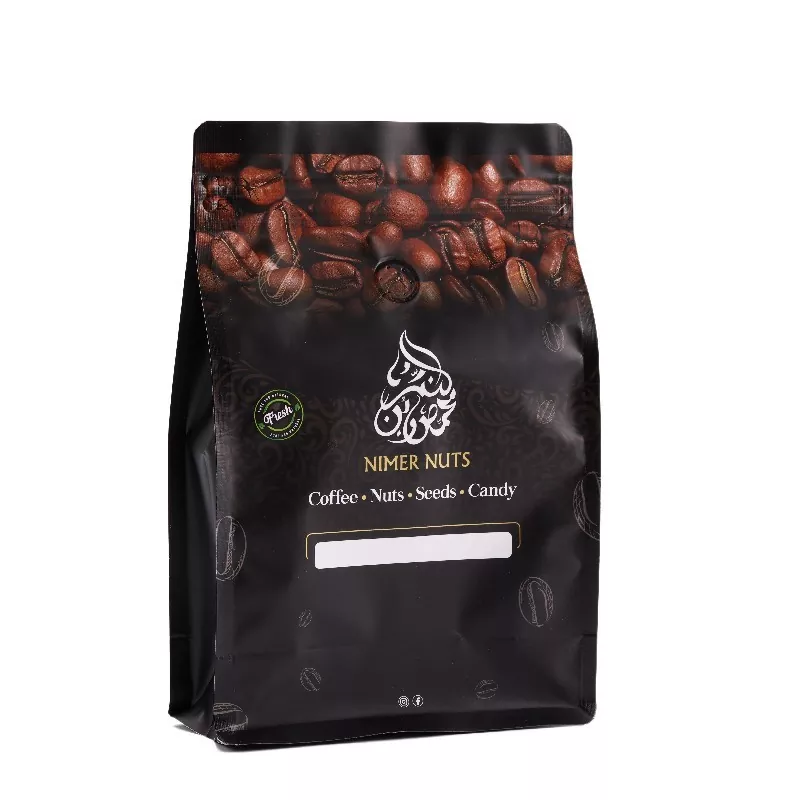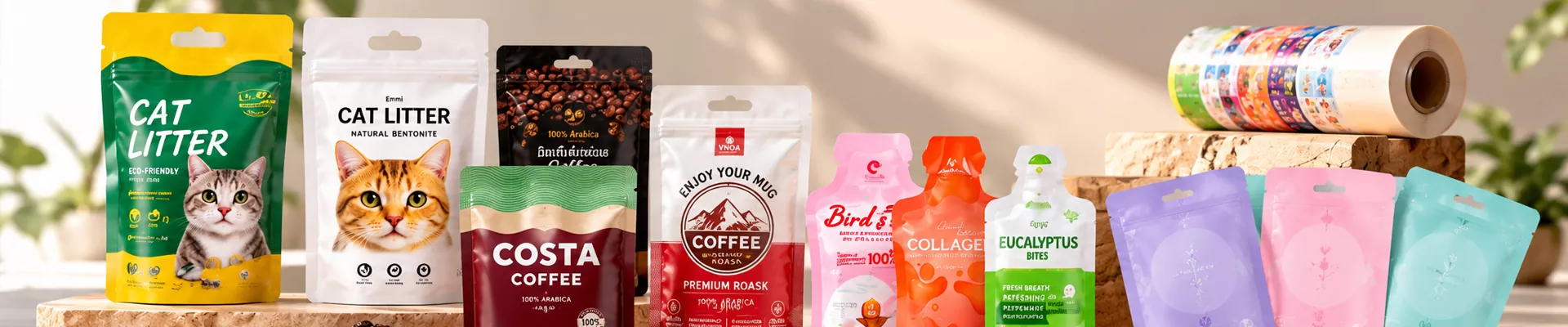
A Coffee Bag is far more than a printed pouch. It is the barrier layer that protects roasted beans from oxygen, moisture, heat and light between the roastery and the grinder, and the last piece of brand communication a customer touches before brewing. For roasters, private-label brands, distributors and café chains, the specification of that bag directly controls shelf life, aroma retention, warehouse damage rates and unboxing experience. Wanguang has manufactured coffee packaging for more than two decades, supplying flat bottom bags, side gusset bags, quad seal pouches and roll stock with degassing valves, resealable zippers and high-definition rotogravure printing to roasteries in over fifty countries. This series includes the Coffee Beans Bag series and the Coffee Powder Bag series.
Roasted coffee releases carbon dioxide for several days after roasting, and oxidation begins the moment beans meet oxygen. A pouch that looks premium but offers poor barrier performance will see stale notes appear within two to three weeks. A well-specified bag does four jobs at the same time: it vents internal CO2 without allowing air back in, it blocks oxygen and moisture transmission, it resists grease and puncture from the beans themselves, and it keeps its shape on shelf or in a shipping carton.
Wanguang engineers each coffee bag around four measurable variables: oxygen transmission rate, water vapour transmission rate, valve relief pressure and seal strength. Every production run is tested against those variables before shipment, which is why our bags perform consistently across hot, humid and cold-climate markets.