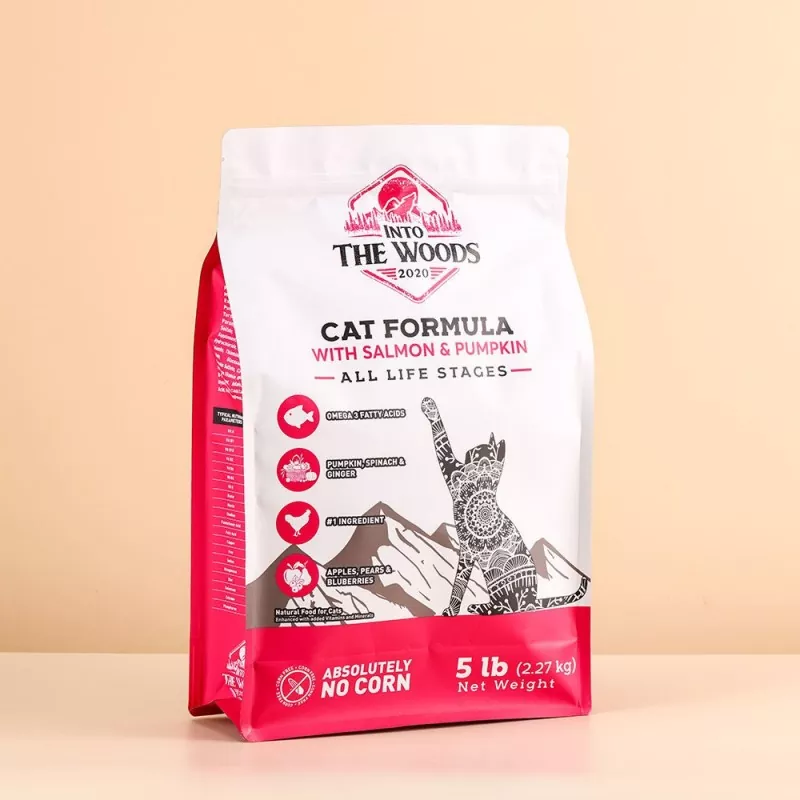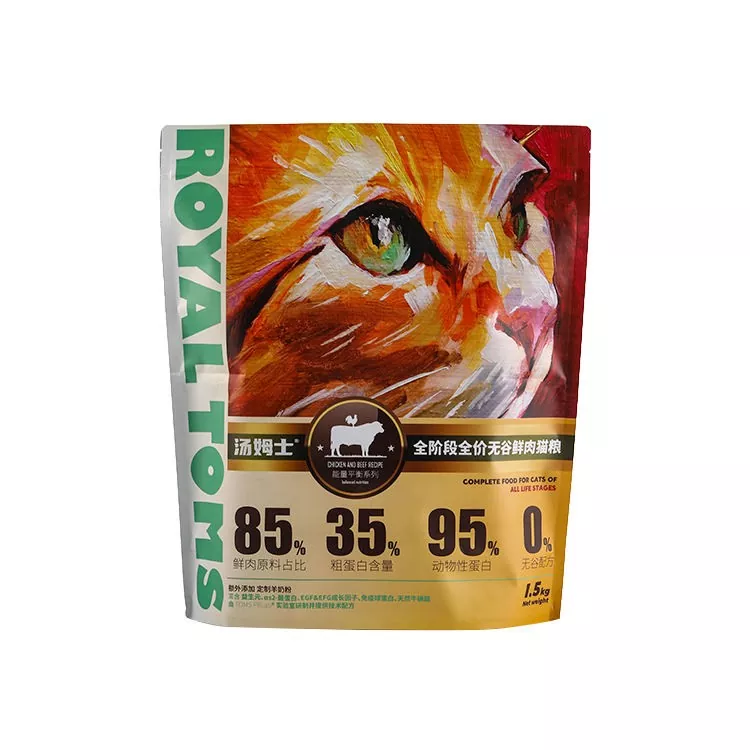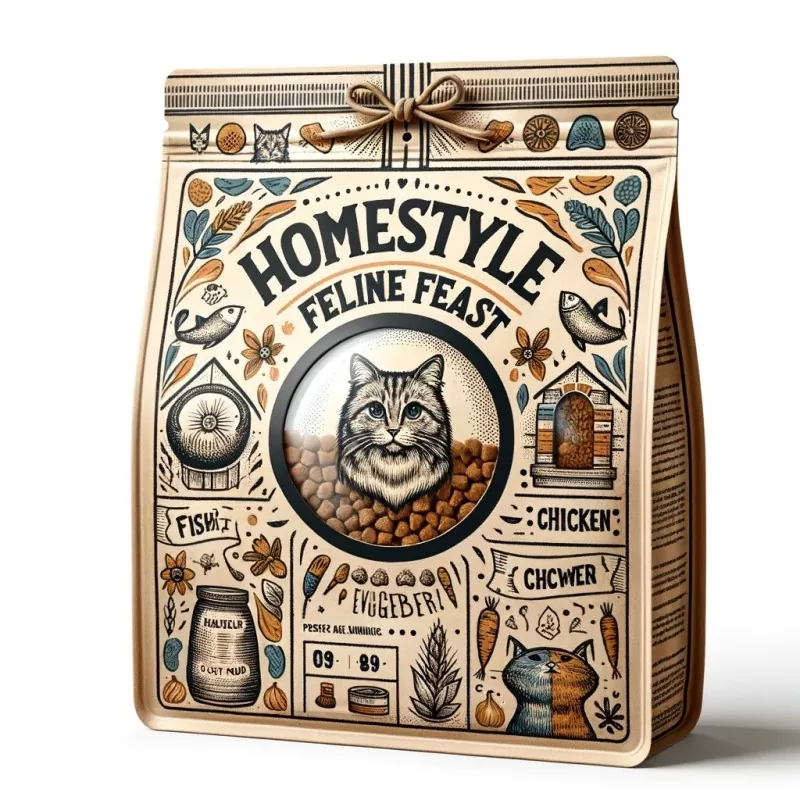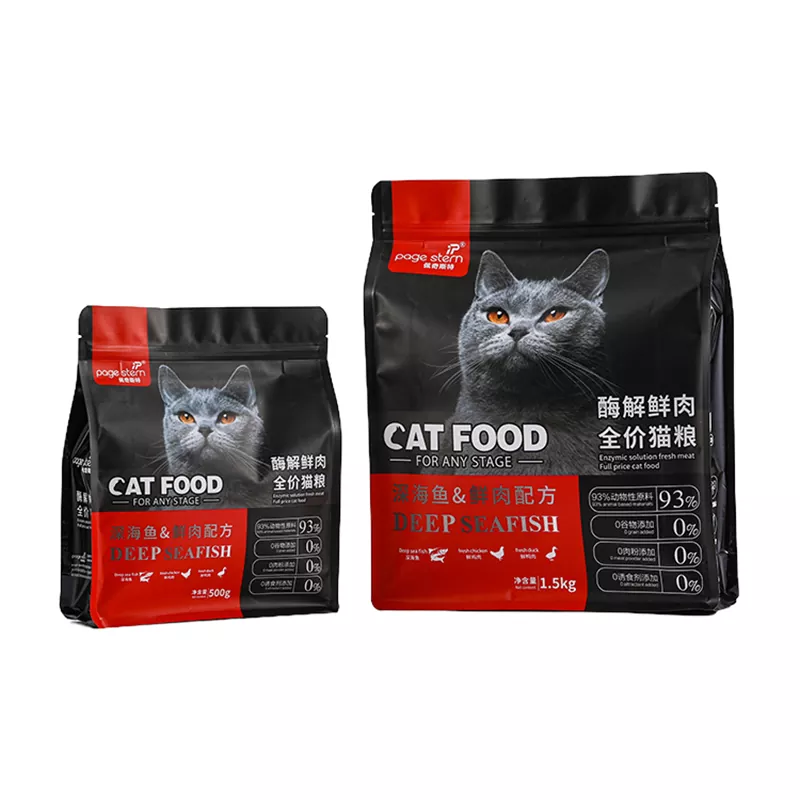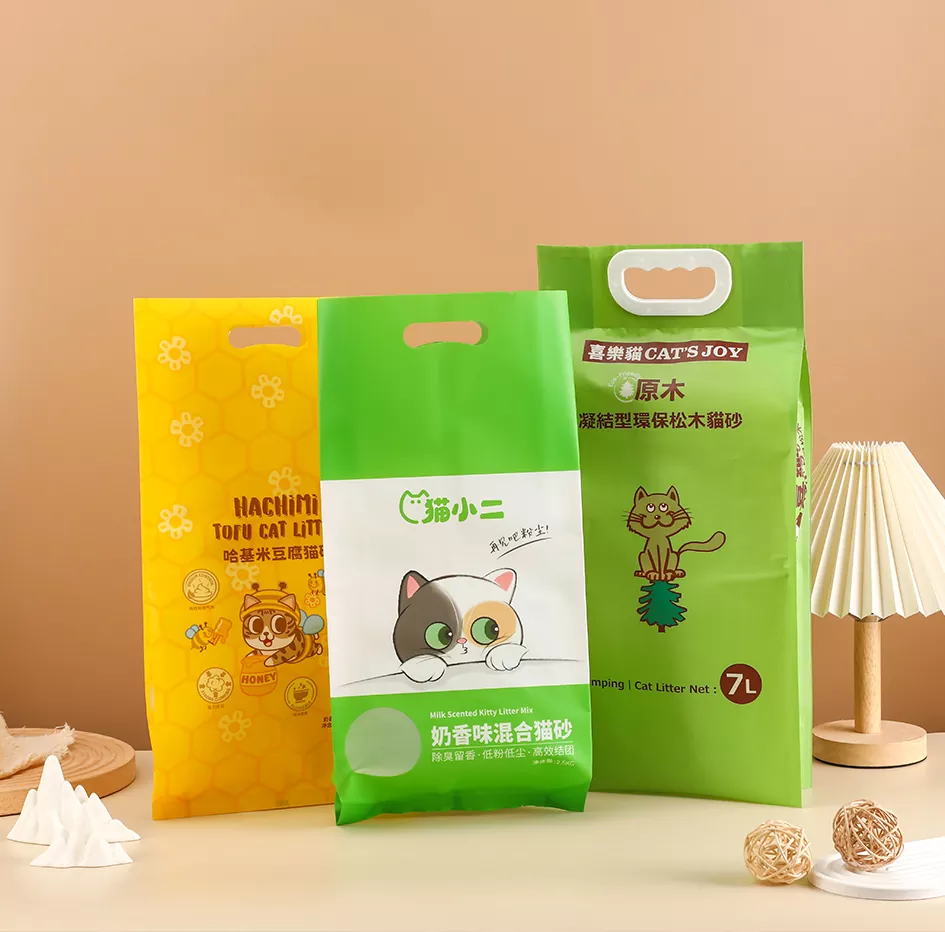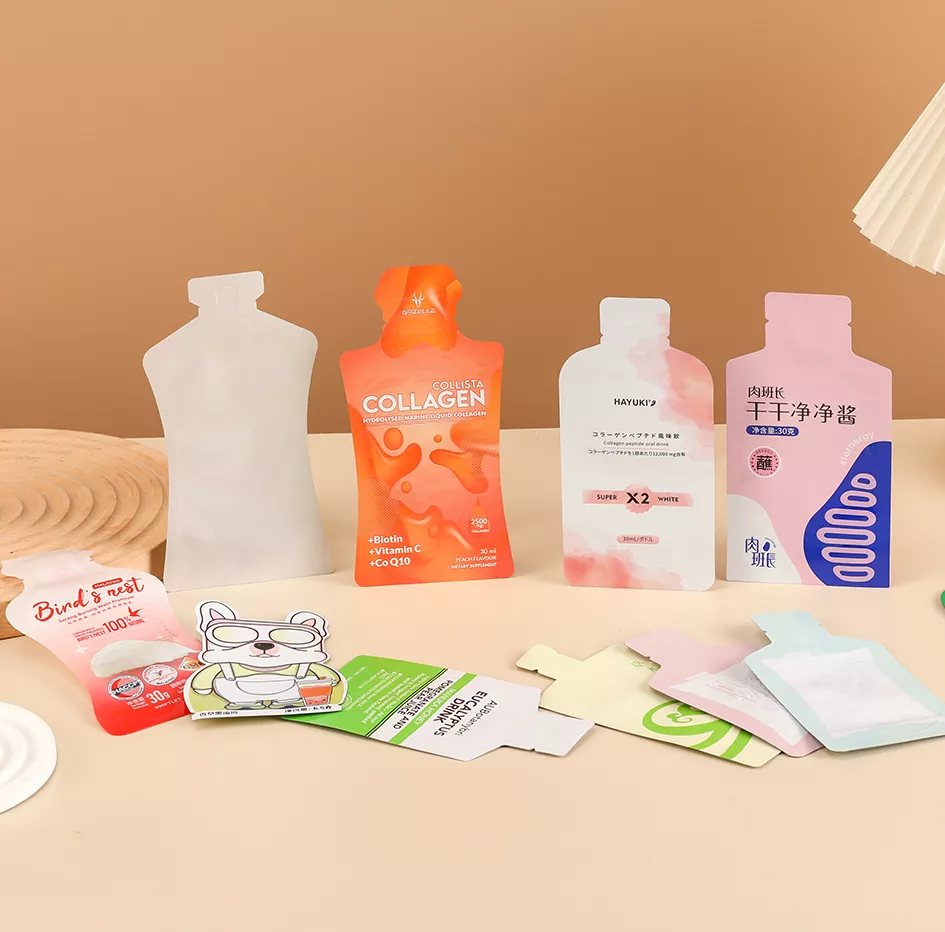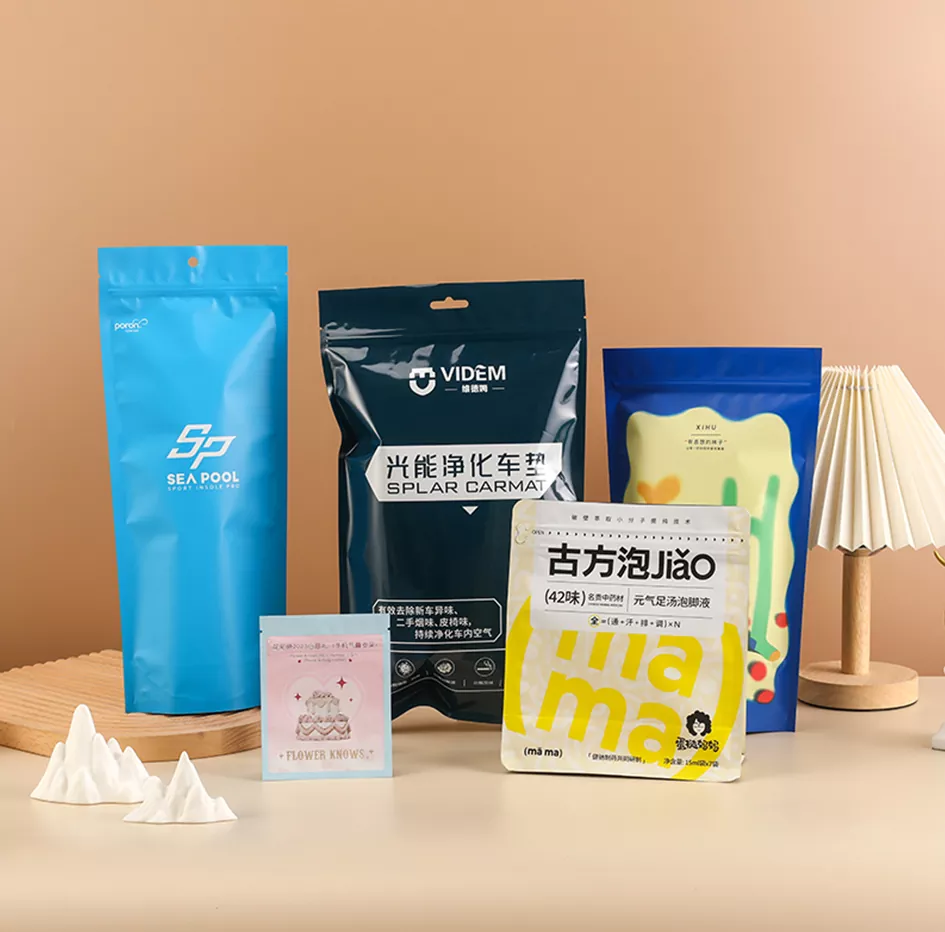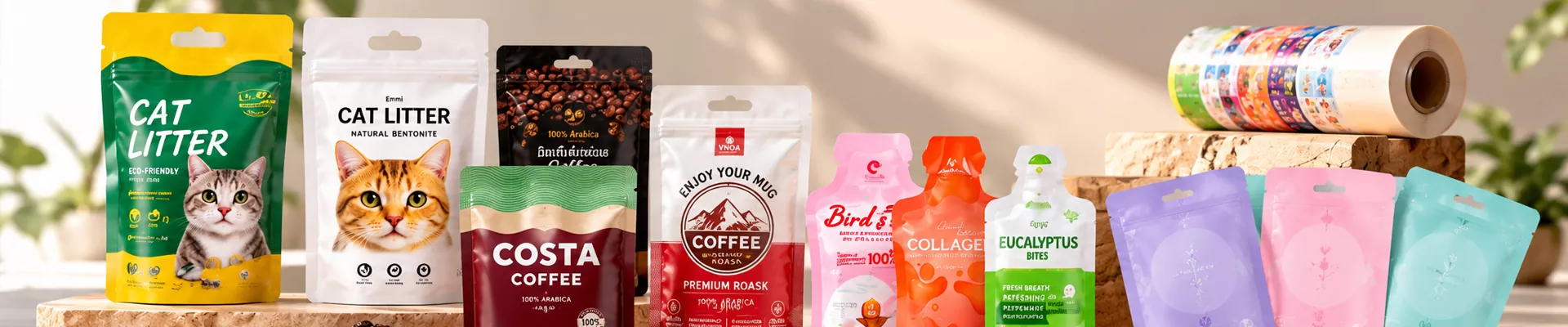
A well-designed Cat Food Bag does more than hold kibble. It protects fats from oxidation, keeps moisture out, controls odor, supports resealing after opening, and carries the brand story on a crowded retail shelf. Wanguang manufactures flexible packaging for dry cat food, semi-moist cat food, treats, and small-pet food, using structures that balance barrier performance, machinability, shelf life, and recyclability. The specifications below are built for pet food brands, private-label suppliers, distributors, and retailers that need consistent bag quality across repeat production runs. This series includes products such as Cat Food Aluminum Foil Bag, Cat Food Doypack Pouch, etc.
Dry cat food is sensitive to humidity, oxygen, light, and fat migration. A bag that looks good but lacks barrier performance can shorten shelf life and create returns. Wanguang approaches cat food packaging as a technical product: the film structure, seal strength, zipper placement, gusset design, print surface, and case-packing method are selected together. The result is a bag that runs efficiently on filling lines and performs on shelf and in the home.
Wanguang supplies flat-bottom bags, stand-up pouches, side-gusset bags, quad-seal bags, and pillow bags for cat food. Common capacities range from 500 g trial packs to 15 kg bulk bags. Each format can be customized with matte or gloss finishes, high-definition print, resealable zippers, tear notches, handle holes, and clear windows where product visibility helps. For brands selling through pet specialty stores, e-commerce, club stores, or farm and feed channels, Wanguang can adjust the bag structure and outer carton plan to suit the sales environment.
Wanguang builds cat food bags around the product's fat content, piece size, filling method, and target shelf life. A standard dry cat food bag often uses a three-layer laminate: a printed polyester outer layer for strength and graphics, a metallized polyester or aluminum foil middle layer for oxygen and light barrier, and a polyethylene inner layer for sealability and food contact. For brands moving toward mono-material packaging, Wanguang can propose PE/PE or PP-based structures with suitable barrier coatings and seal performance.
Seal integrity matters as much as barrier film. Wanguang controls seal temperature, pressure, dwell time, and seal width during production. Zippers are positioned for easy filling and clean closing. Bottom gussets are reinforced for stable standing display. Tear notches are placed to open without scattering kibble. For large-format bags, handles and reinforced top seals help consumers carry the product comfortably.
Wanguang applies incoming-material inspection, film thickness measurement, print color checks, seal strength testing, zipper function testing, and dimensional verification during production. Bag samples are checked for opening force, drop performance, and compression resistance where the format requires it. Food-contact films are supported with documentation for FDA, EU, or other market requirements. Production areas follow HACCP-based controls, and qualified buyers can request audit documentation for ISO 22000 and BRCGS systems.
For cat food bags, odor control and ink migration are important. Wanguang uses low-odor inks and adhesives suitable for food packaging and controls solvent retention during lamination. The inner sealant layer is selected for direct food contact and for resistance to fats and oils. Where brands require recycled content or mono-material structures, Wanguang reviews the barrier and seal trade-offs before sampling so that shelf life and line performance are not compromised.