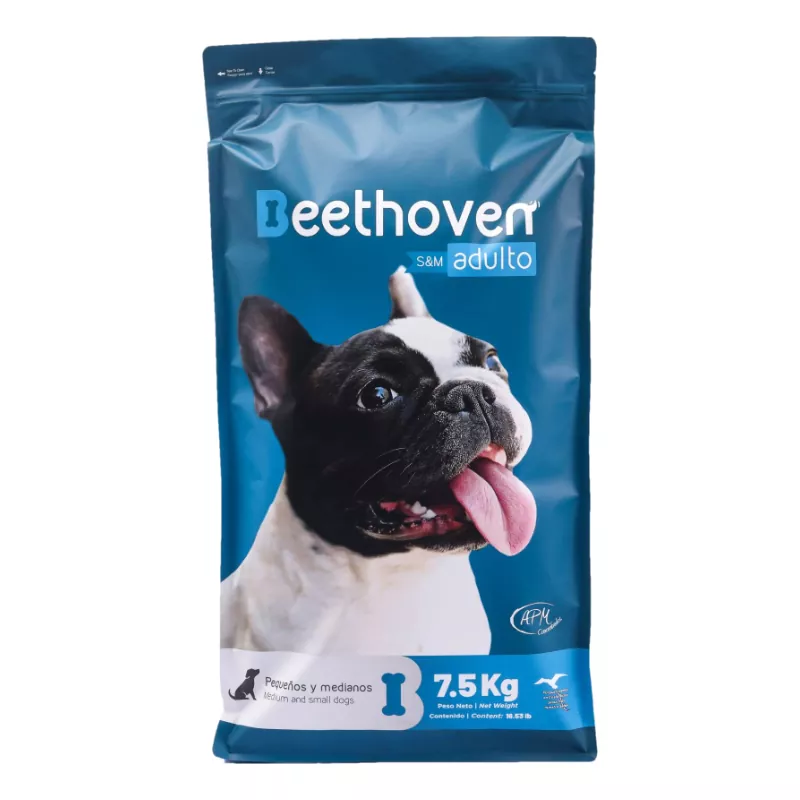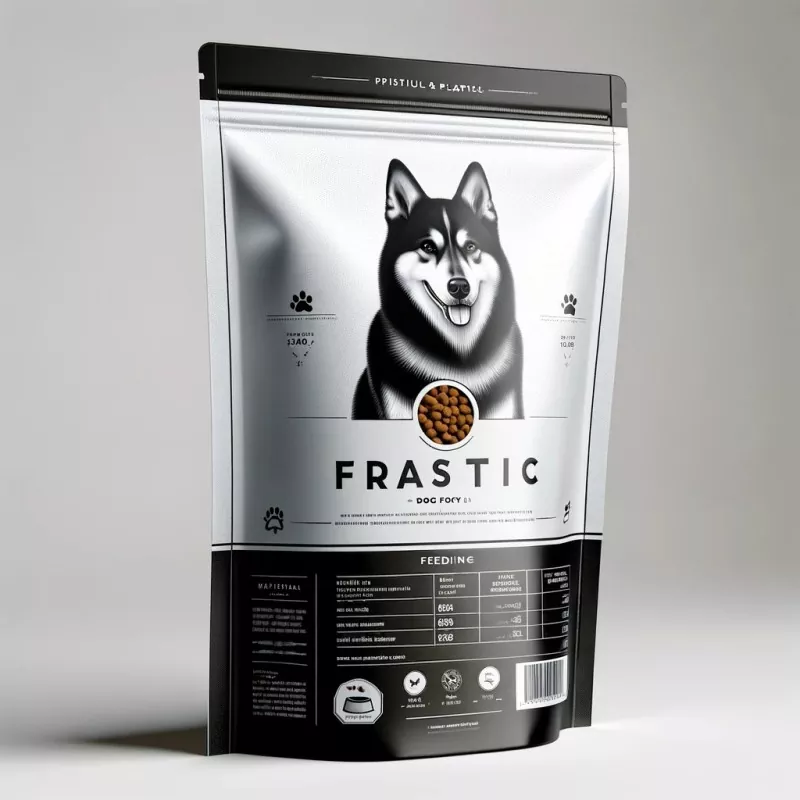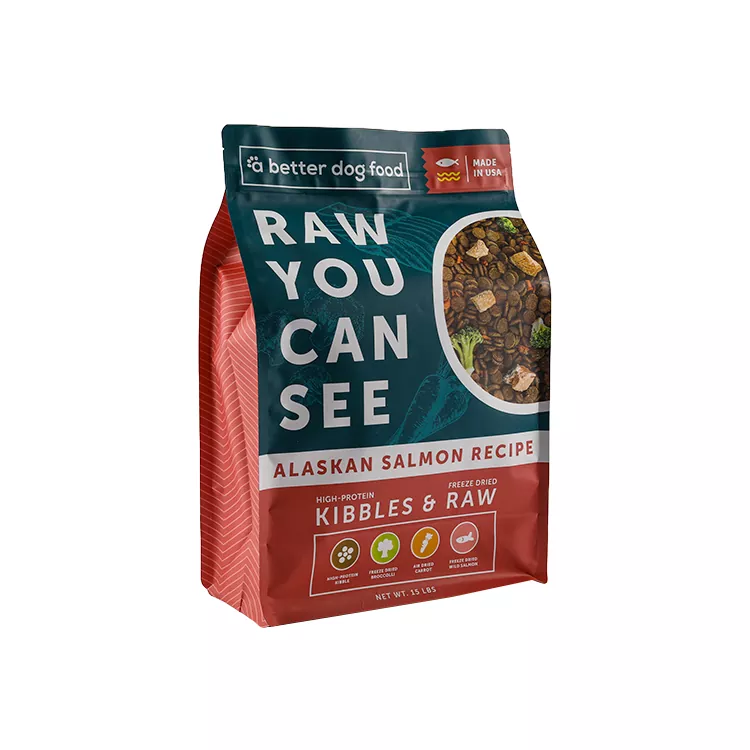
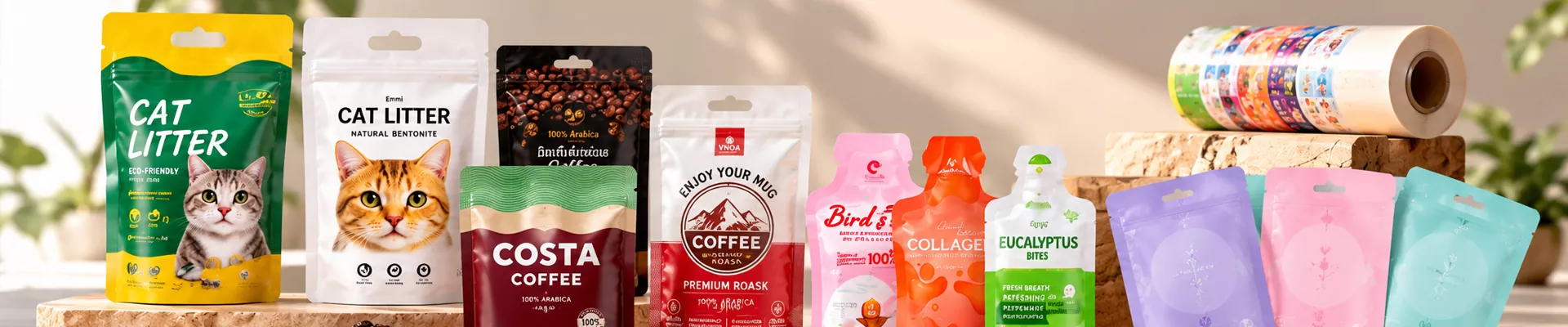
Choosing the right Dog Food Bag is one of the most consequential decisions a pet food brand makes. Kibble is a low-moisture, fat-coated, highly aromatic product that begins losing freshness the moment it meets oxygen, moisture, and light. A bag that looks attractive on shelf but underperforms on barrier protection will cost you repeat purchases, retail chargebacks, and customer complaints about stale or rancid food. This guide breaks down the technical parameters, material structures, sealing options, and printing capabilities that define a professional-grade dog food bag, and explains how Wanguang engineers packaging that holds up from the extrusion line to the customer's pantry. This series includes products such as Dog Food Bag with Valve, Dog Food Bag with Zipper, and so on.
Why the Dog Food Bag Is a Functional Package, Not Just a Printed Sack
Pet food packaging sits at the intersection of food science and retail marketing. Fat oxidation, moisture migration, vitamin degradation, and aroma loss are all controlled — or accelerated — by the packaging structure. A premium kibble with a 12-month best-by date depends on an oxygen transmission rate low enough to keep residual oxygen below 2% inside the sealed headspace, and a moisture vapor transmission rate low enough to prevent the kibble from crossing the 10–12% moisture equilibrium that invites mold and loss of crunch.
At the same time, the bag must survive distribution. A 15 kg bag of kibble experiences compression, drop impact, vibration, and pallet stacking pressure. Seams fail, gussets crack, and valve seals leak when the film structure, sealant layer, and seal geometry are not matched to the fill weight and the filling equipment. Wanguang approaches every dog food bag project as an engineering problem first and a graphic design project second.
Wanguang: Packaging Manufacturing for Pet Food Brands
Wanguang is a flexible packaging manufacturer supplying printed dog food bags, cat food bags, treat pouches, and roll stock to pet food brands, co-packers, and private label programs. The company operates gravure and flexographic printing lines, lamination and extrusion coating equipment, and dedicated bag-making cells for flat bottom, side gusset, stand-up, and quad seal formats. Wanguang supports projects from structural development and film trials through pilot runs and full-scale production, with in-house plate making, ink formulation, and a quality laboratory that tests seal strength, barrier performance, and drop resistance before shipment.
Brands work with Wanguang for three reasons: consistent film quality across repeat orders, transparent specification documentation that satisfies retailer and regulatory audits, and the ability to scale from a small launch quantity to multi-container volumes without changing the structure that was validated in shelf-life testing.