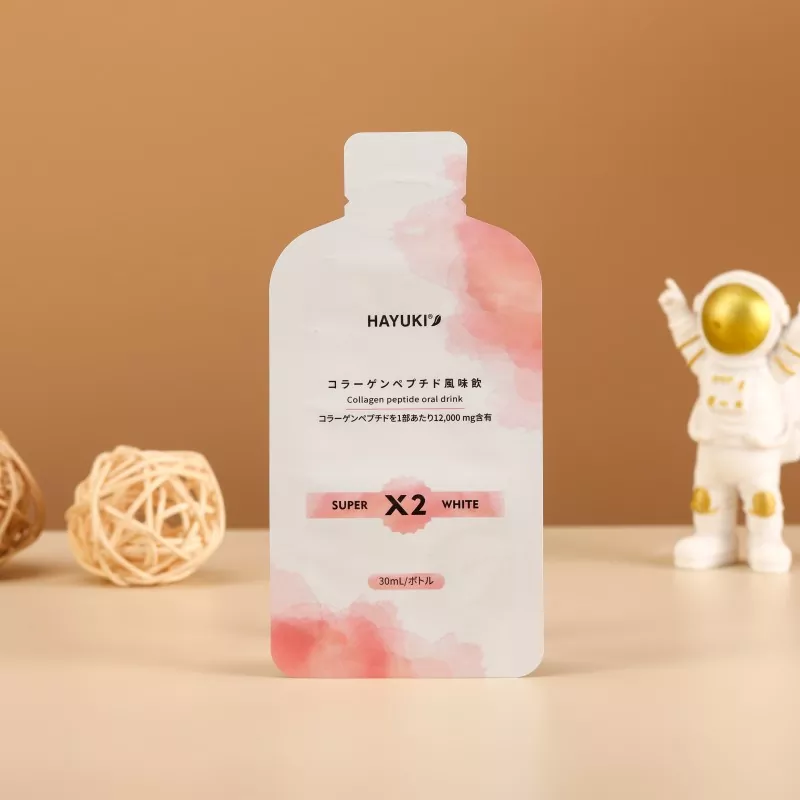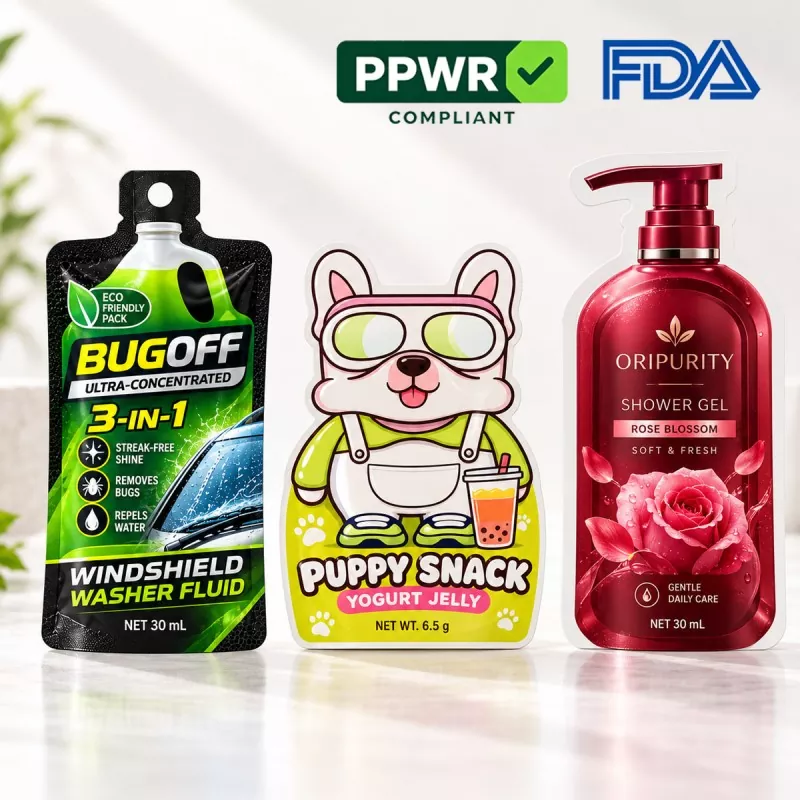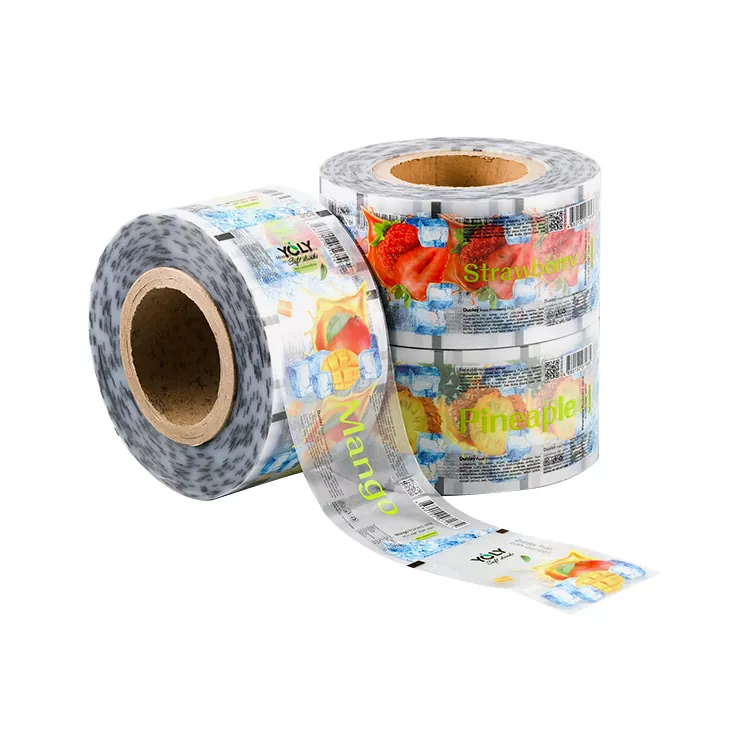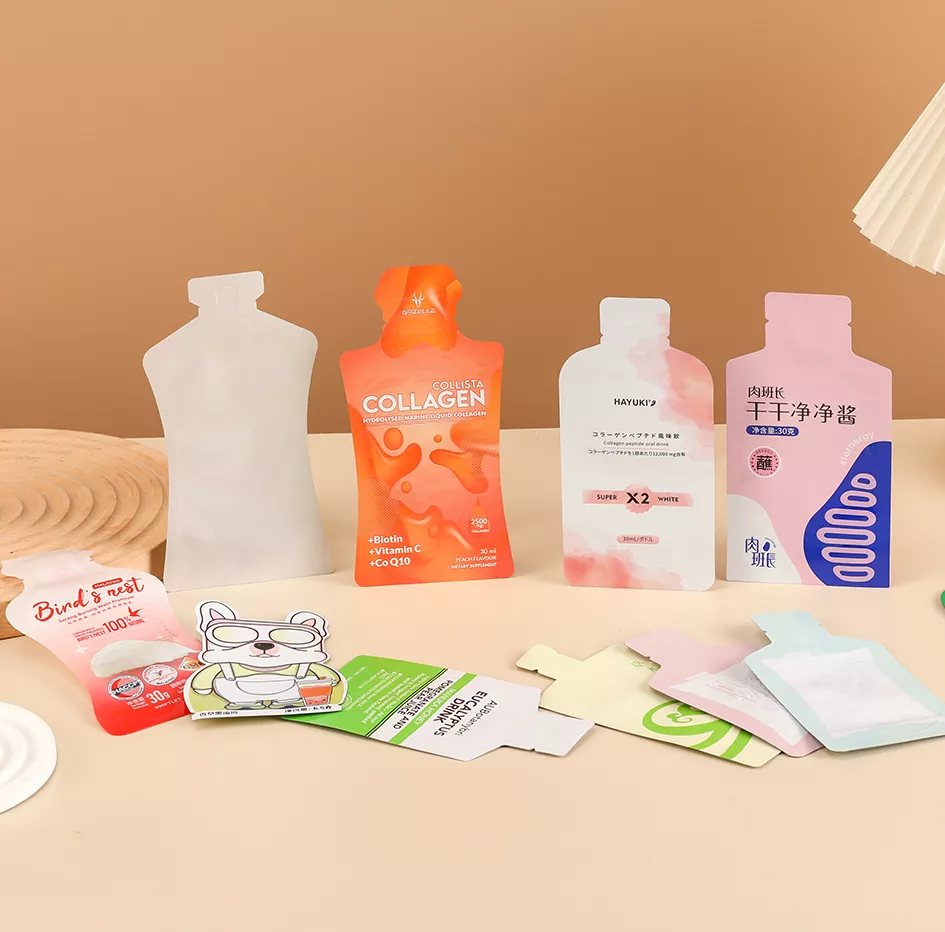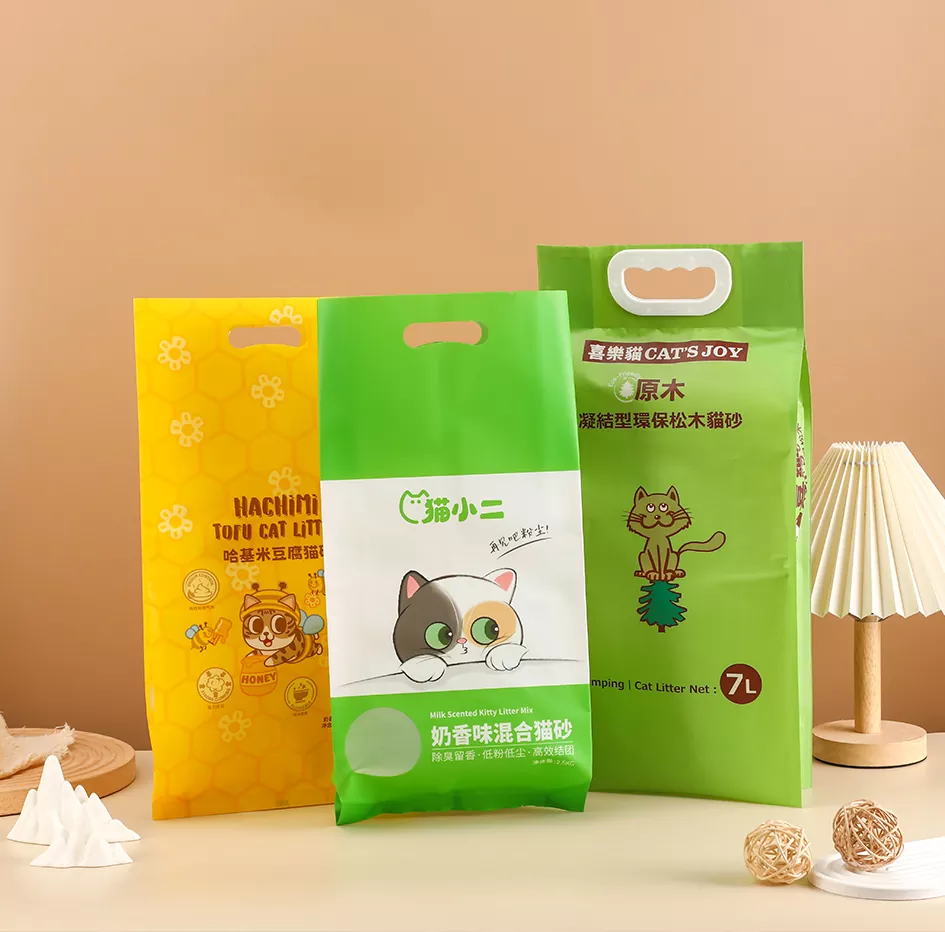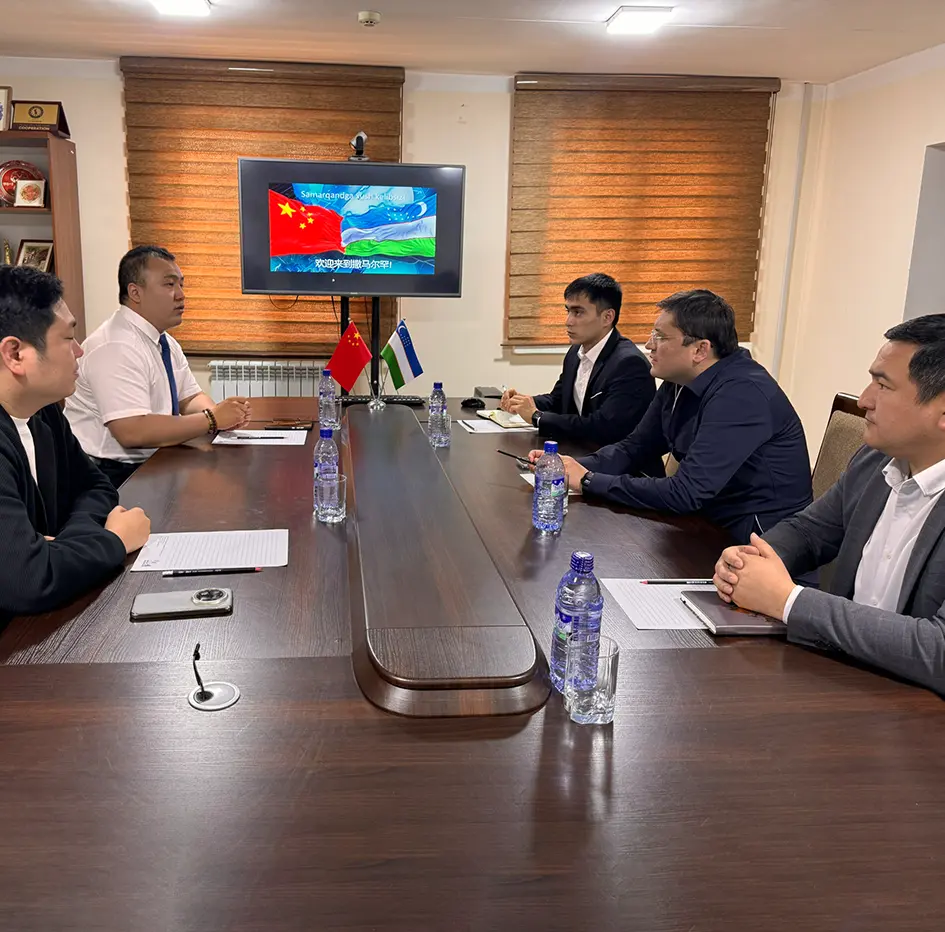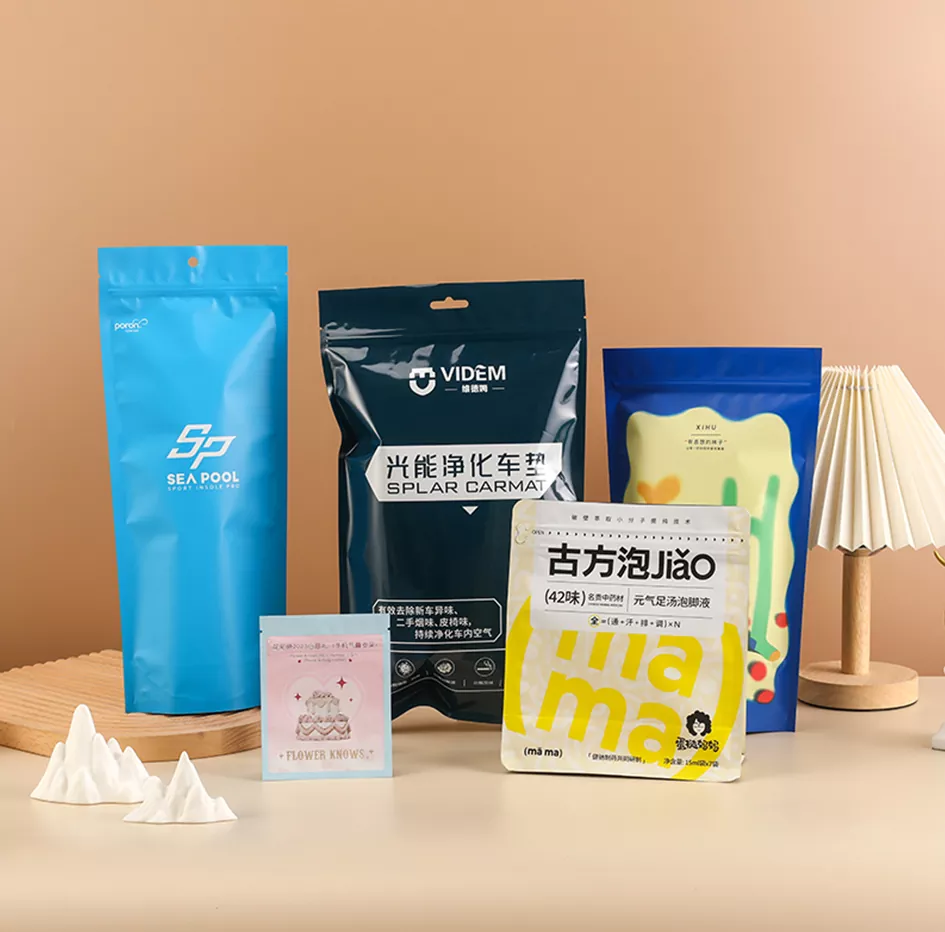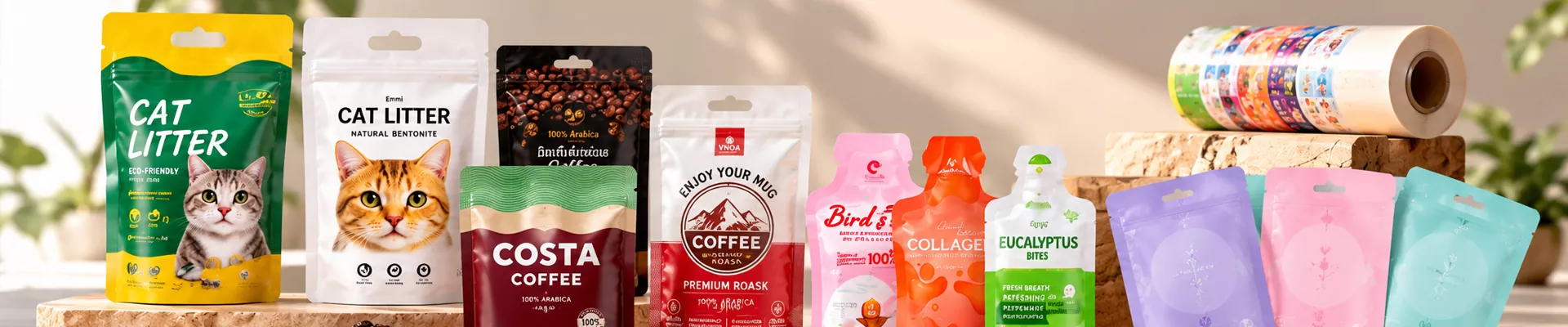
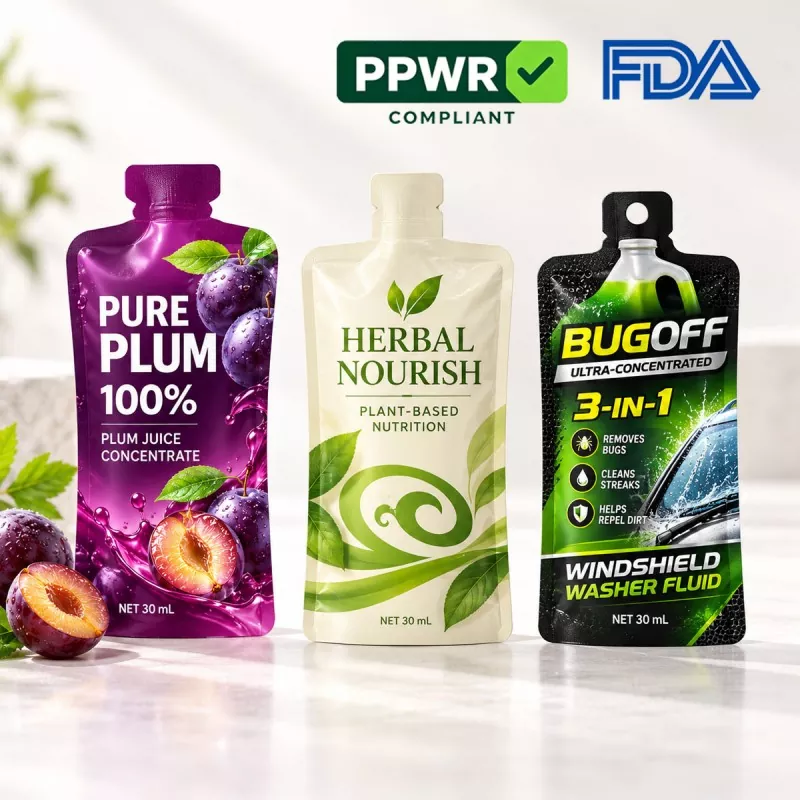
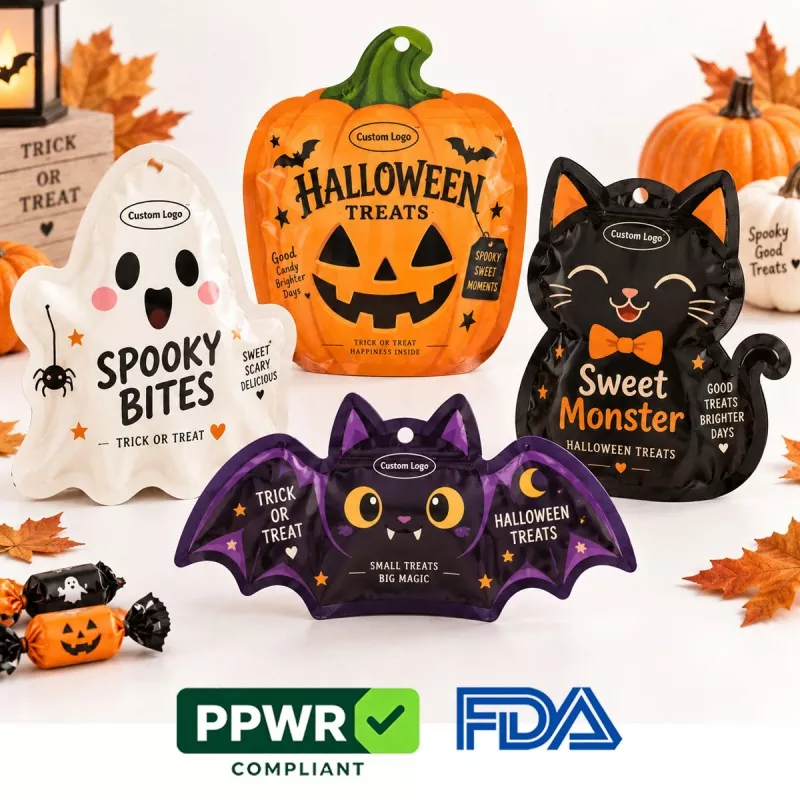
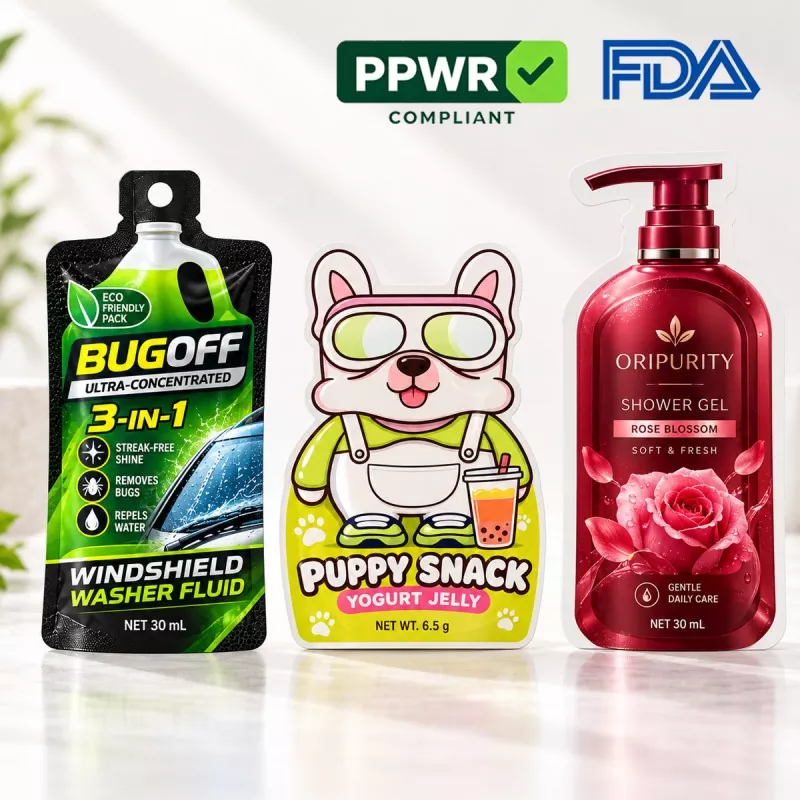
Wanguang offers flexible packaging development and manufacturing services, covering aspects such as pattern design, molding, printing, coating, and bag body transformation. Based on the type of food and filling conditions, the Food package Special Shaped Bag can be designed with appropriate film structures, and filling components can be optionally selected.
When the packaging shape is part of the brand experience, this packaging form is particularly suitable for jelly, puree, sauces, liquid snacks and other food products.
Producing a shaped food pouch requires coordination between the printed design and the physical cutting structure.
Review the brand illustration, product graphics, and intended pouch silhouette.
Identify areas needed for product information, nutrition facts, and mandatory labeling.
Check whether the proposed outline leaves sufficient space for sealing and filling.
Wanguang prepares the printing layout and plate-making files according to the approved artwork. Its workshop is equipped with high-speed nine-color printing machines for producing multi-color packaging designs.
Printed and functional film layers are combined according to the selected packaging structure. Solvent-free lamination is among the technologies introduced during Wanguang's production upgrades.
The laminated material is converted into the required pouch format. Custom cutting tools are used to form the approved outline, while the sealing areas and optional fitments are incorporated into the design.
Before bulk production, the sample should be checked for dimensions, appearance, filling suitability, and seal integrity. Final production specifications should follow the approved sample and agreed inspection requirements.
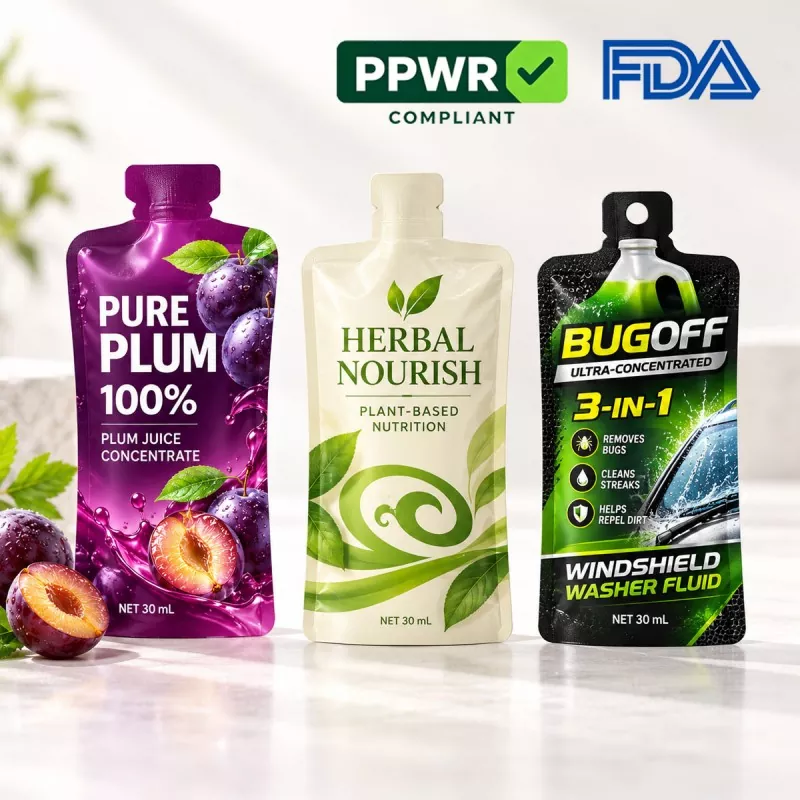
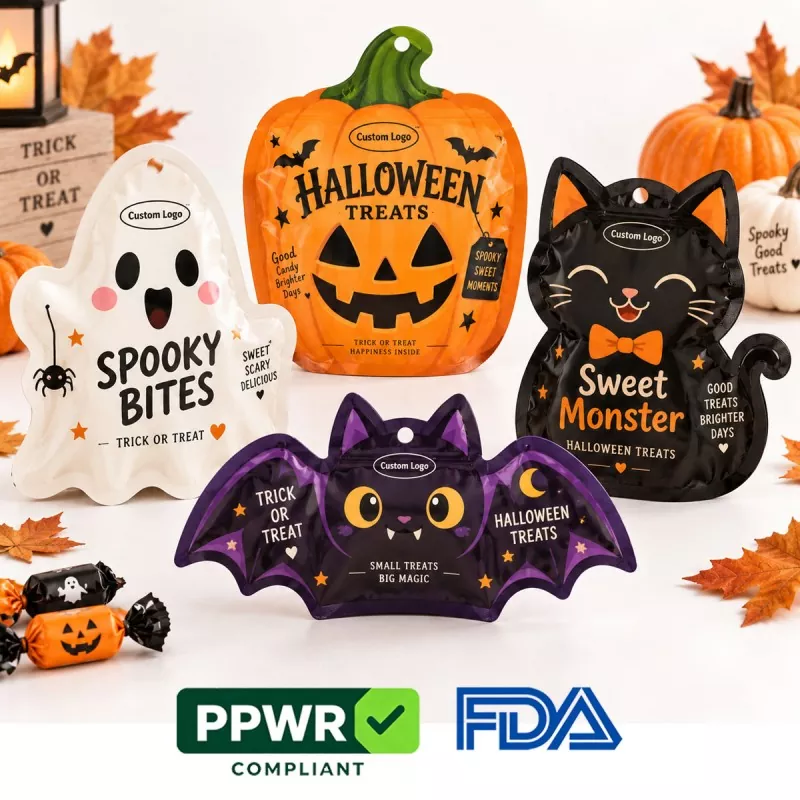
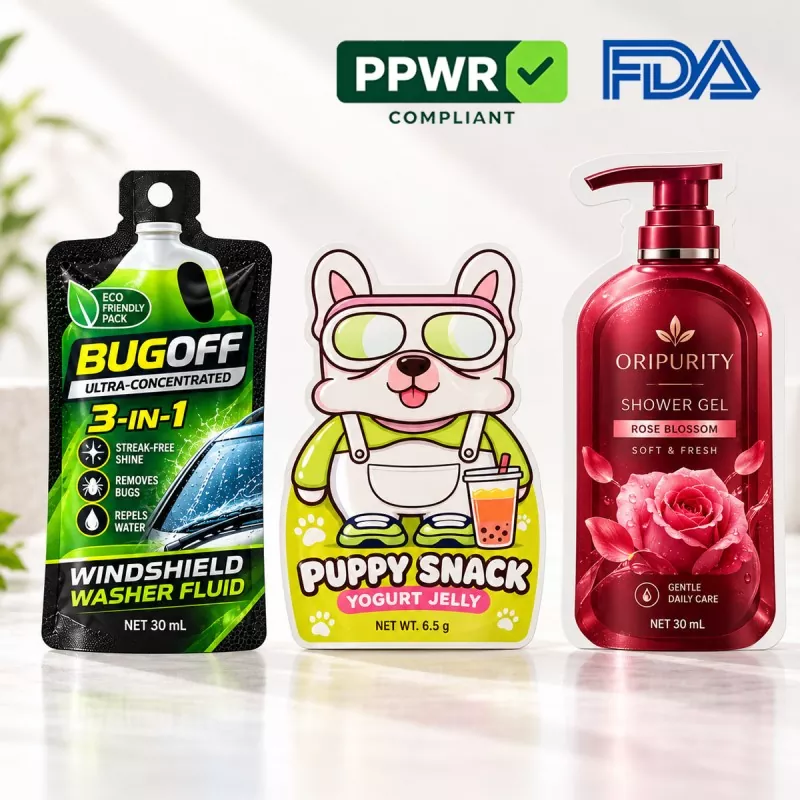
The material structure of a food pouch should be selected according to the product rather than based on appearance alone.
The inner film should be selected for compatibility with the specific food formulation. Factors such as acidity, oil content, moisture, and filling temperature need to be considered.
Depending on the product, the laminate may be designed to help limit exposure to moisture, oxygen, or light. The required barrier level should be determined by the food's storage conditions and shelf-life evaluation.
A suitable flexible laminate allows the pouch to follow a custom outline while retaining the required sealing areas. Film thickness and layer combination should be reviewed against the intended pouch size and filling volume.
The outer layer provides space for colorful product illustrations, brand marks, flavor information, and consumer instructions. Wanguang's printing and laminating equipment supports customized artwork production.
Food-contact suitability, barrier performance, and regulatory compliance depend on the actual material structure and destination market. Relevant documentation should be confirmed for each order.
Proper handling helps preserve the appearance and functional condition of finished shaped pouches before filling.
Keep packaging dry: Store unused pouches in a clean, dry area away from water and excessive humidity.
Avoid direct sunlight: Prolonged exposure to sunlight and heat may affect some film structures and printed surfaces.
Protect the shaped edges: Do not compress or bend the die-cut areas unnecessarily during storage and handling.
Use clean handling practices: Keep the inner contact surface protected from dust, oils, and other contaminants.
Follow filling conditions: Confirm that the filling temperature, product characteristics, and sealing settings are compatible with the selected material.
Rotate inventory: Apply a suitable stock rotation system and follow the storage recommendations agreed for the packaging material.
For filled products, storage conditions and shelf-life should be established through evaluation of the food formulation, packaging structure, and distribution environment.
Possible applications include fruit jelly, fruit puree, sauces, liquid snacks, and selected semi-liquid foods. The final structure must be suitable for the specific contents.
Custom silhouettes can be assessed using your artwork or reference image. The design must leave adequate space for sealing, filling, and required product information.
A dispensing spout may be incorporated when the product and packaging design require it. The spout material, dimensions, and sealing method should be confirmed during sample development.
Provide details about the food formulation, filling temperature, storage conditions, and target market. Wanguang can review these requirements when discussing material options.
Not every shaped pouch is suitable for these processes. A specially designed material structure and validation of the complete pouch, including seals and fitments, are required before use.
Yes. Wanguang provides artwork preparation, plate making, multi-color printing, lamination, and pouch conversion. Printing details can be discussed according to the brand's design requirements.
Please provide the food type, target capacity, pouch dimensions, reference shape, material requirements, printing artwork, closure or spout requirements, and estimated order quantity. Wanguang can use these details to assess the project and prepare a suitable proposal.
Address
Xin'ou Micro Park, Lingxi Town, Cangnan County, Wenzhou City, Zhejiang Province, China
Tel
Get packing insights or pricing: Leave your email below, and we’ll reach out promptly (within 24 hrs).